Last updated November 23, 2026
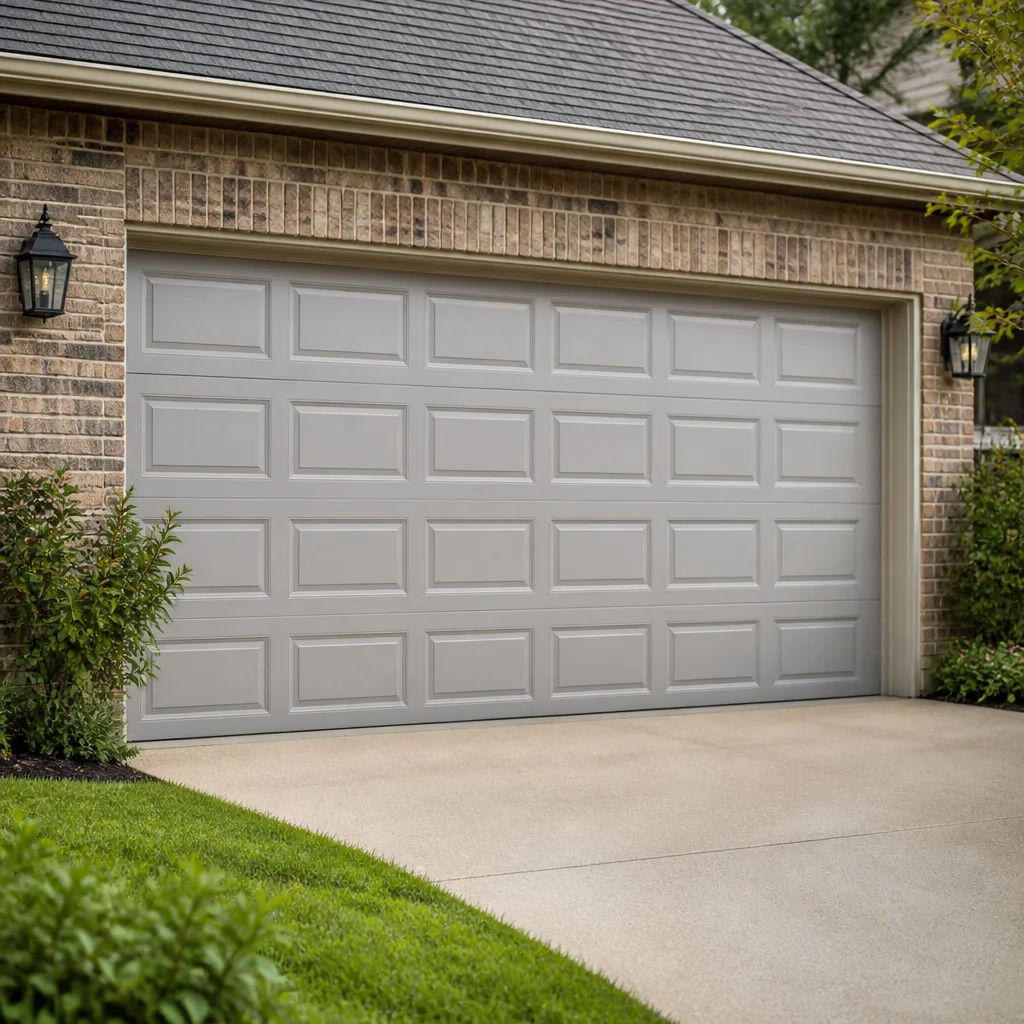 Raised-panel steel
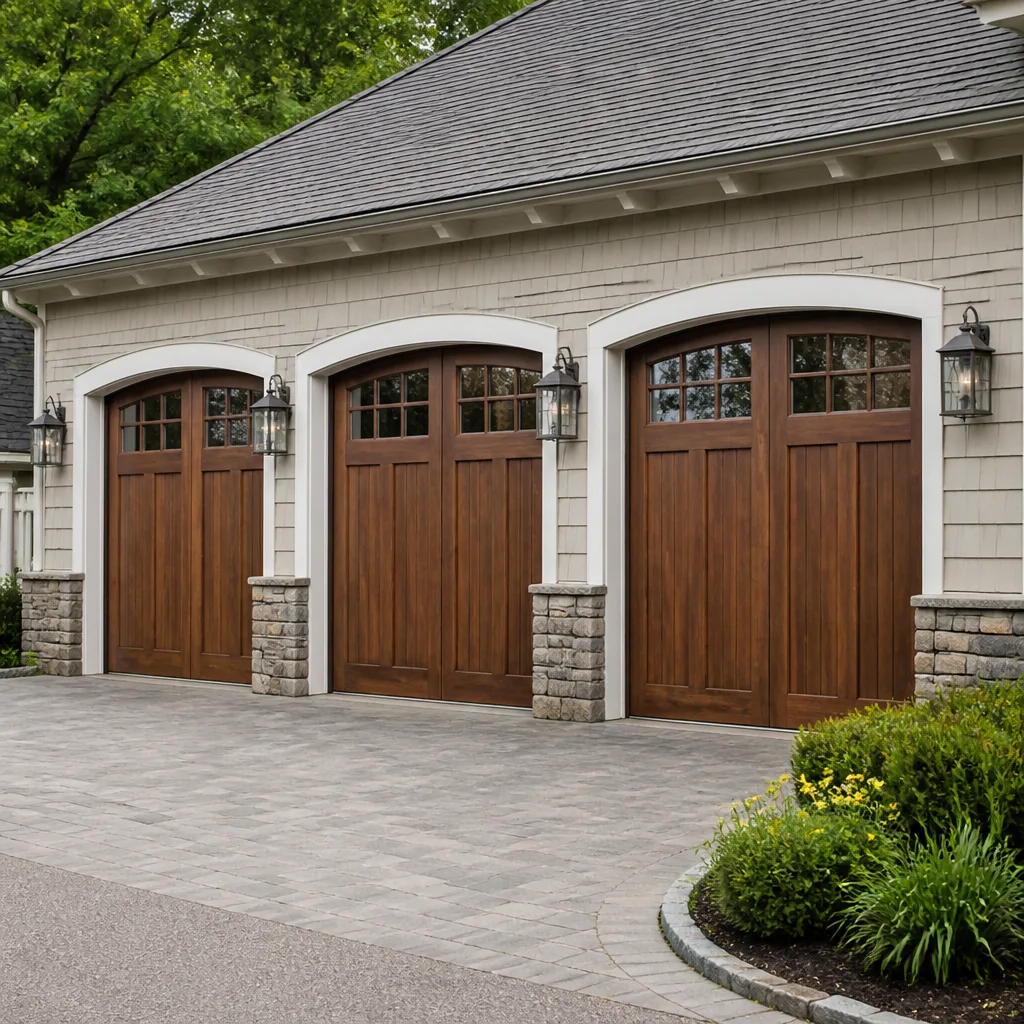 Carriage house
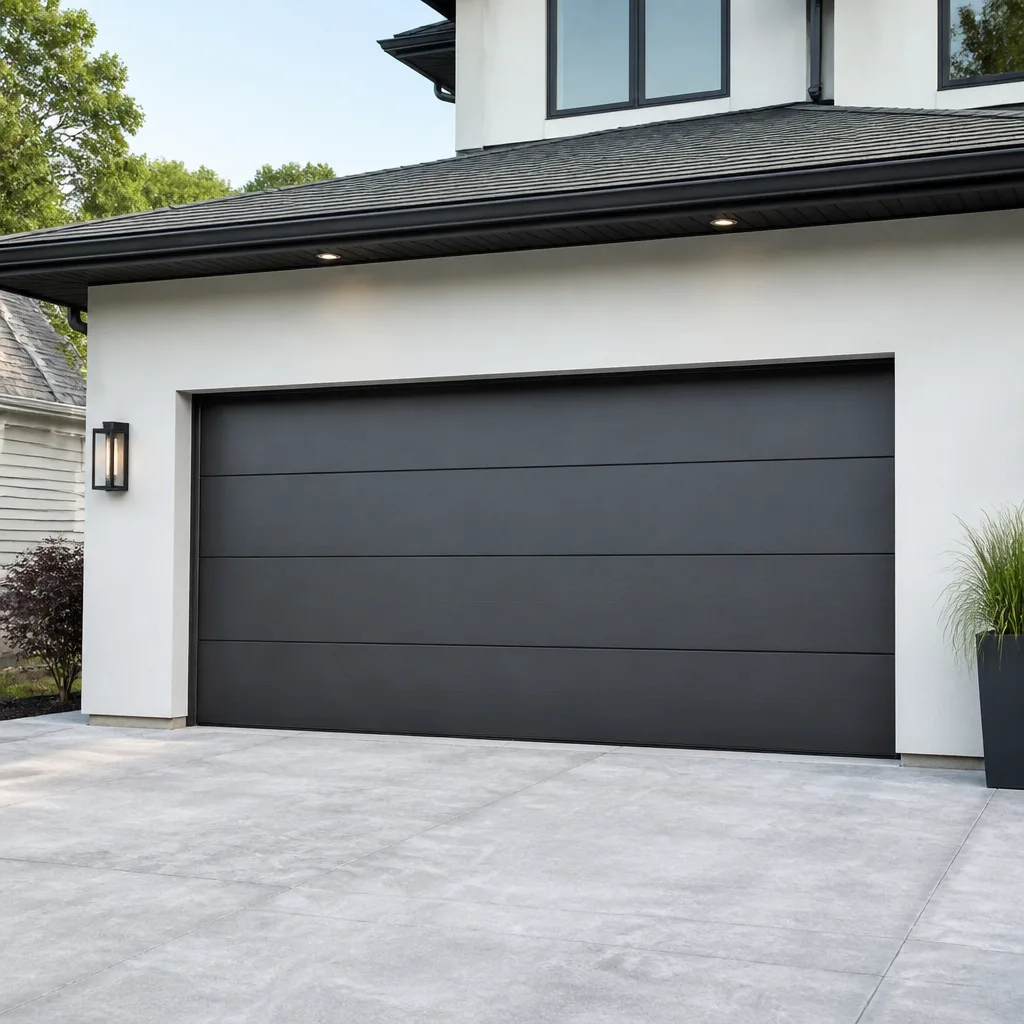 Modern flush
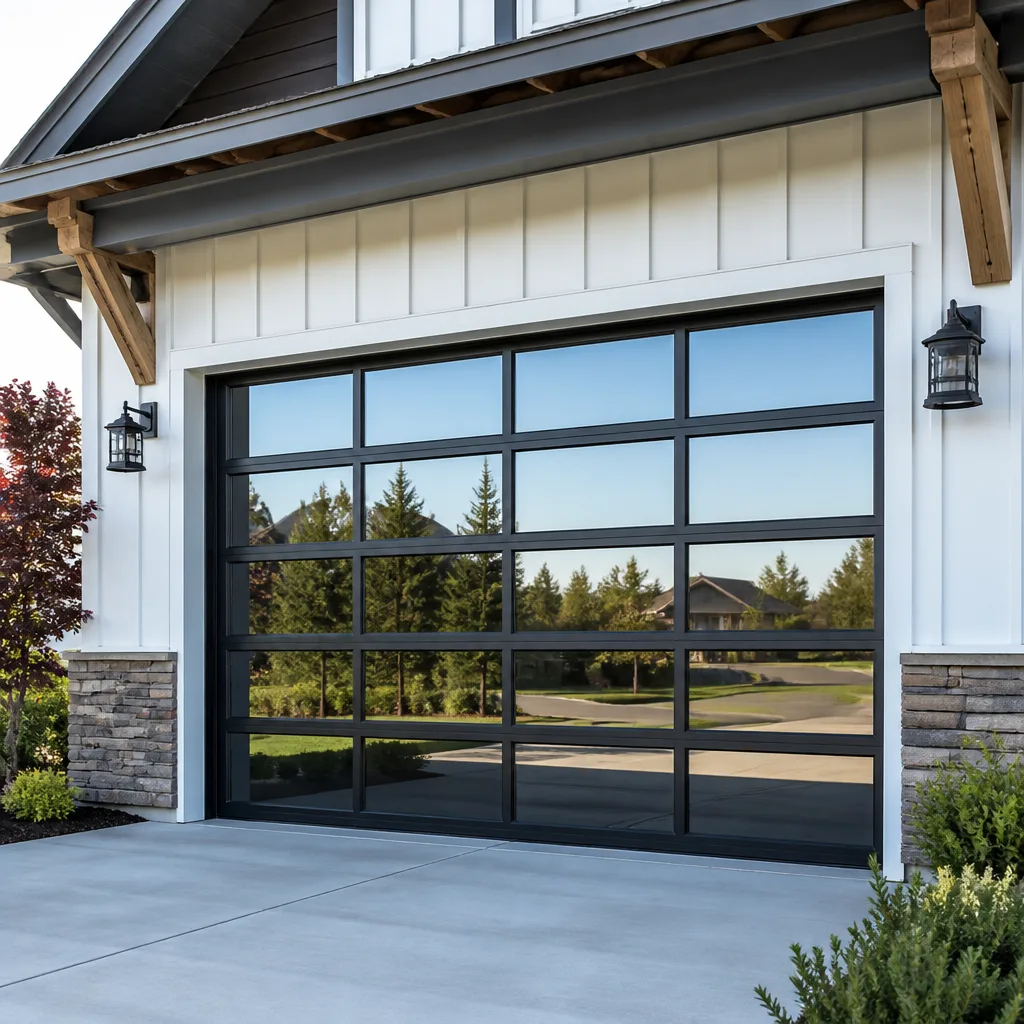 Full-view glass
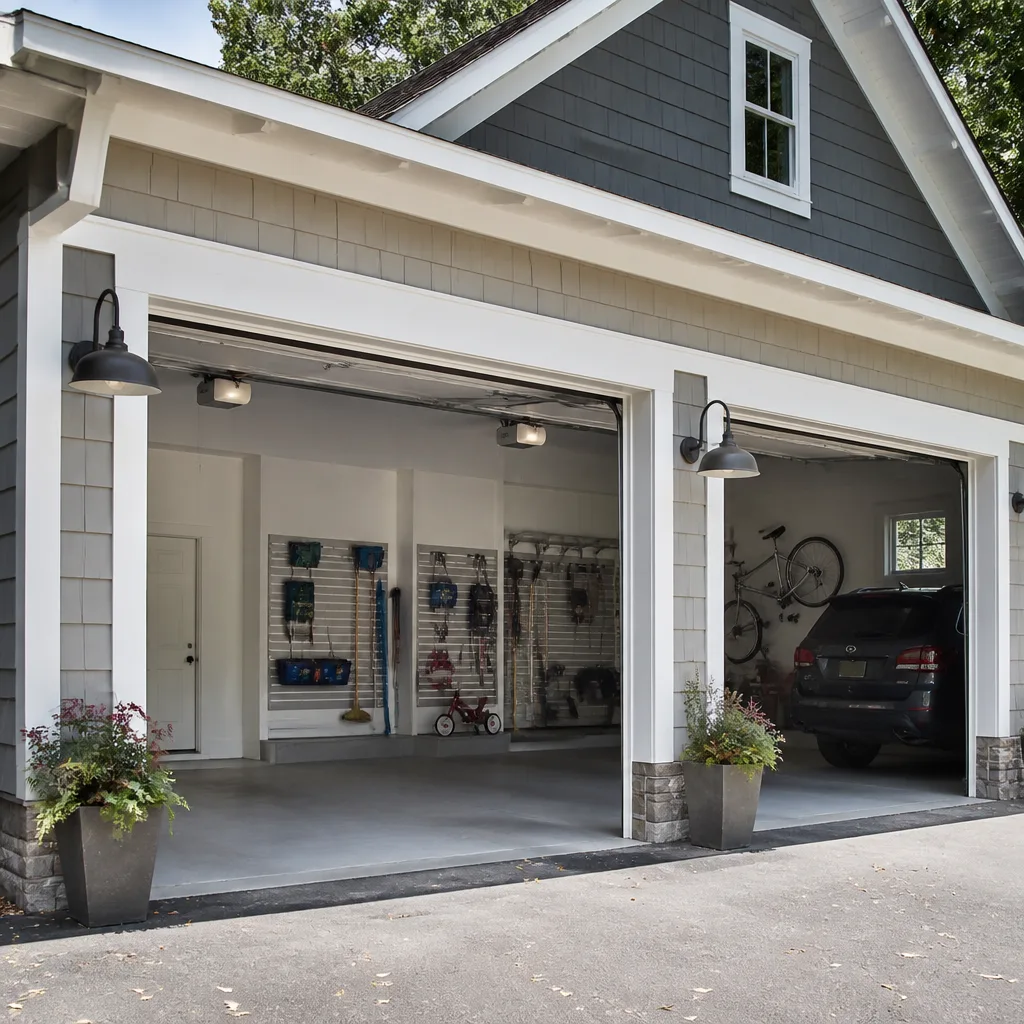 LiftMaster openers
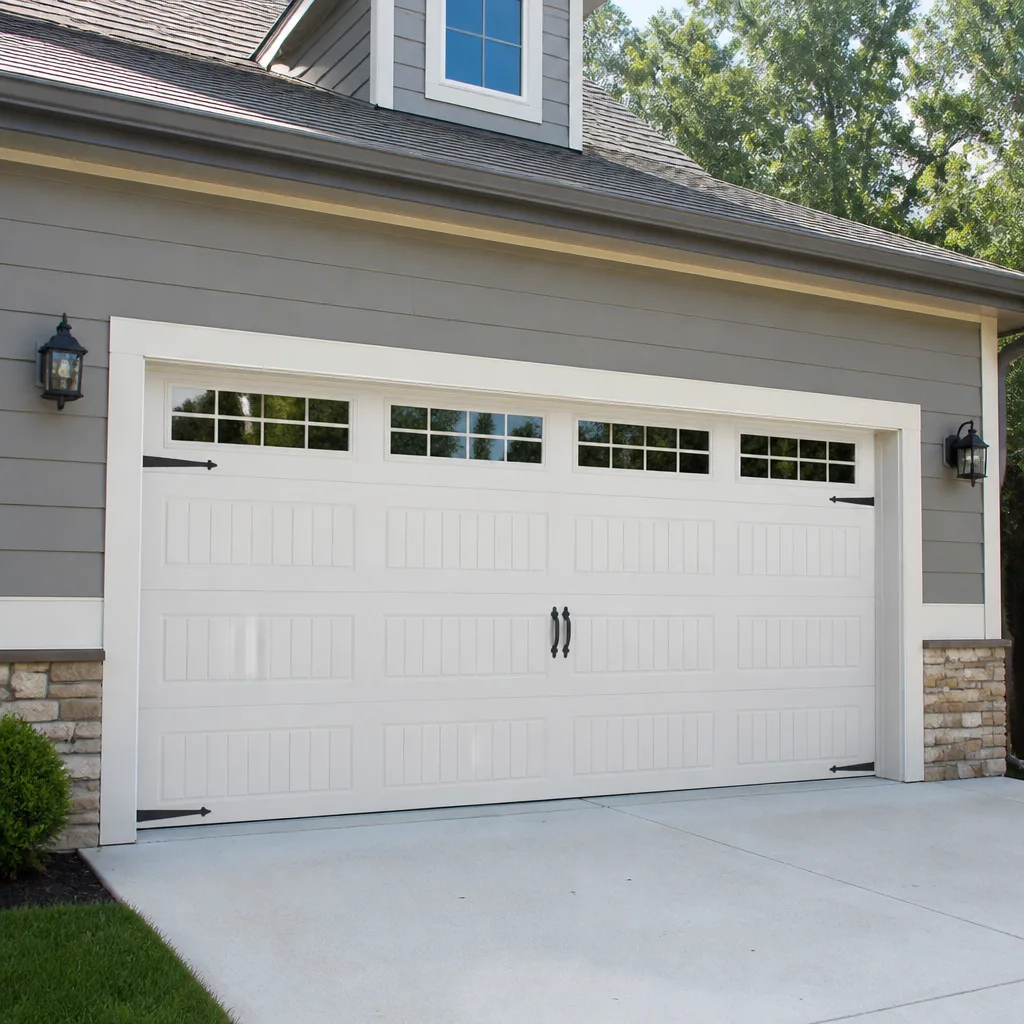 Chamberlain openers
Full 25-point door and opener safety check with every visit - springs, cables, rollers, tracks, and your LiftMaster or Chamberlain opener included
You get a price before we start. It does not change when the pro arrives.
Get your free estimateSeasonal Garage Door Care for New Smyrna Beach: Year-Round Homeowner’s Guide
Telling a New Smyrna Beach homeowner to winterize their garage door is wasted advice. There’s no ice to worry about, no snow load, and nothing about a mild January that puts unusual stress on a torsion spring. What we actually have here is two seasons: a June through November stretch when hurricane prep matters most, and a December through May recovery window when humidity and salt-laden air do their slow work on seals, finishes and hardware. Most homeowners are following a fall-and-spring tune-up routine built for colder climates, which means they’re hitting neither season on the right timeline. This guide walks through what to check, when to check it, and why late spring is the smartest time to book professional service in New Smyrna Beach.
Styles & brands we work with
- Raised-panel steel
- Carriage house
- Modern flush
- Full-view glass
- LiftMaster openers
- Chamberlain openers
Quick Answer
The right seasonal schedule for a New Smyrna Beach garage door is April through May for hurricane-season prep, June through November for active storm readiness and post-storm inspection, and December through May for cleaning, finish checks and spring tension review. Late spring is the best time for a professional tune-up because it puts your door in its best shape before hurricane season arrives. Skip the fall-focused advice you’ll find in national guides – it’s built for climates that don’t match ours.
Table of Contents
- Why New Smyrna Beach Has Two Seasons, Not Four
- Pre-Hurricane Season Checklist (April-May)
- Active Storm Season Protocol: What to Do 48 Hours Out
- Post-Storm Inspection Priorities, Ranked by Safety Risk
- Dry-Season Maintenance Focus (December-May)
- Why Late Spring Is the Right Time for a Professional Tune-Up
- Matching Seasonal Care to Your Door and Opener Brand
- Common Mistakes to Avoid
- When to Call a Professional
- Frequently Asked Questions
- The Bottom Line
Why New Smyrna Beach Has Two Seasons, Not Four
National garage door maintenance calendars split the year into spring and fall tune-ups. They assume four distinct seasons, a freeze-thaw cycle, and the kind of temperature swings that crack lubricant films and stress metal parts. None of that describes New Smyrna Beach. Our winters are mild enough that a garage door might run through the entire cool season without a single day cold enough to noticeably stiffen its springs.
What we do have is a long, humid summer punctuated by the Atlantic hurricane season, and a dry, warm winter with steady salt exposure in the air. Each of those conditions wears a garage door differently. Humidity swells wood panels, softens weatherstripping, and accelerates corrosion on any unpainted metal. Salt residue left on glass, aluminum or steel surfaces does slow damage that most homeowners only notice when a finish starts to fail. A climate with a single hard freeze every year forces homeowners to think about their door once a season. A climate like ours doesn’t, so doors sit unattended through the very conditions that cause the most damage.
That’s the imbalance we want to fix. Instead of treating spring and fall as your checkpoints, we recommend thinking about the year in two blocks: the pre-storm block from April through May, and the dry-season recovery block from December through May. Both are explained in detail below.
What changes between the two seasons
- Hurricane season (June-November): wind loading, water intrusion, panel deformation, and the stress of a door being cycled during grid-down outages on a manual release.
- Dry season (December-May): salt and humidity residue, paint and finish degradation, seal shrinkage, spring tension drift, and hardware corrosion.
- Shared year-round: safety sensor alignment, roller wear, track straightness, and opener logic. These get checked every time you touch the door, not just seasonally.
Pre-Hurricane Season Checklist (April-May)
The two months before hurricane season starts are the most productive maintenance window on the calendar for a New Smyrna Beach garage door. The weather is dry, the humidity hasn’t yet climbed to summer levels, and anything you fix now will hold through the storm season. Waiting until June to start is the most common seasonal mistake we see.
1. Inspect the hurricane brace (if your door has one)
A hurricane brace is a horizontal or vertical reinforcement bar that spreads wind load across the door’s panels instead of letting it concentrate at the weakest point. Not every door has one. Standard doors without reinforcement should not be expected to hold in a named storm, regardless of how new they are. If your door does have a brace, check every fastener. Loose bolts, elongated mounting holes, or a brace that has pulled slightly away from a stile are all signs the assembly needs attention before the load of a storm is applied to it. For doors without a brace, this is the month to ask a professional whether adding reinforcement is appropriate for your door’s specific model.
2. Test the bottom seal
The bottom seal is the rubber or vinyl strip along the floor edge. It’s the first line of defense against wind-driven rain creeping under the door and the first thing to fail when a door is a few years old. Run your hand along it with the door closed and look for flat spots, cracks, or sections that have pulled out of their retainer. A seal that doesn’t touch the floor evenly means water has a path inside. Replace the seal before the first storm, not after.
3. Understand what “wind-rated” actually means for your door
Wind-rated doesn’t mean “won’t blow off.” It’s a rating produced by controlled testing that ties the door’s structural performance to a specific design pressure, and that rating is only valid when the door is installed with the specific reinforcement, mounting and track configuration the manufacturer specifies. A wind-rated Clopay or Amarr door installed without its matching reinforcement kit doesn’t carry the same performance. Ask a professional to confirm your door’s rating against its current installation, especially if the door has been modified since it was installed.
4. Clear the path and test the opener’s battery backup
If your opener has a battery backup, verify it holds a charge before the season starts. A dead battery is one more thing to troubleshoot in a dark garage during an outage. Clear the area under the track of stored boxes and debris so the door has full travel if a storm rolls through while you’re away.
Active Storm Season Protocol: What to Do 48 Hours Out
When a named storm is forecast to affect New Smyrna Beach, garage door prep shifts from maintenance to storm protocol. The goal is to put the door in its safest possible state without needing an emergency call in the middle of the weather.
Step-by-step: securing your garage door 48 hours before landfall
- Close and lock the door fully. A closed door can’t be lifted by wind entering under it, and a locked door resists forced opening if the power fails.
- Engage your manual lock if the door has one. Many residential doors ship with a manual slide bolt or lock bar. Engaging it adds a mechanical hold the opener alone can’t provide.
- If your opener has a battery backup, leave it engaged. The door may need to be operated after the storm with no grid power. A charged backup keeps the door under motor control instead of forcing a manual release.
- If you must disconnect the opener, do it correctly. Pull the red manual release cord straight down toward the door, not at an angle. This disengages the carriage from the rail and lets you lift the door by hand. Re-engage by running the opener until the carriage clicks back in, which usually requires the door to be closed first.
- Don’t manually force a door you can’t lift easily. If the door won’t lift smoothly by hand after engaging the release, the springs are probably compromised. A garage door in that state is a safety hazard for the rest of the storm. Call us before the weather arrives so a trained technician can assess it.
- Move anything valuable off the floor near the door. Even a well-sealed door can let water creep past the bottom seal in a driving rain.
What NOT to do during the storm
Don’t operate the door while the storm is at its peak, even if the power is on. Wind pressure against the panels can throw off the opener’s force sensing, and the door is safer closed. Don’t tape windows or panels as a “hurricane prep” measure on a garage door. Tape doesn’t hold pressure and can leave adhesive residue that damages the finish. Don’t open the garage to check on something outside mid-storm. The door is doing its job by staying shut.
Post-Storm Inspection Priorities, Ranked by Safety Risk
Once the wind has passed and it’s safe to walk outside, most homeowners want to know if their garage door works. Before you press the opener button, run through this checklist in the order below. The order matters because a low-risk check done first can expose a high-risk condition you’d otherwise miss. Each of these is something you can observe by eye or by hand without dismantling anything.
Priority 1: Springs and cables
Look, don’t touch. A torsion spring runs along the top of the door and a standard extension spring runs along each side. If either has separated, bent, or is hanging loose, the door should not be operated at all. Cables should be taut and stay seated in their drums. A cable that has slipped off its drum or is frayed means a call, not a handyman fix. High-tension springs and the cables under their load can cause serious injury, and this is the one part of the door a homeowner should never adjust.
Priority 2: Tracks and rollers
Check that the vertical and horizontal tracks are still straight and set at the same width apart. A wind gust that flexed the door can bend a track, and a bent track will chew through rollers quickly. Rollers should sit fully inside the track without sticking or grinding. Any wobble or gap between the roller and the track is a problem to fix before using the door.
Priority 3: Panels and hinges
Walk around the door and look for dents, splits at the panel seams, or hinges that have pulled out of their fastener holes. A hinge that’s come loose is a mechanical fault that will get worse with every cycle. A panel that’s visibly bent limits the door’s ability to seal and can put uneven load on the springs.
Priority 4: Bottom seal and weatherstripping
Wind-driven rain often leaves the bottom seal warped or torn. Check the seal is still touching the floor evenly. Also check the perimeter weatherstripping on the jambs and header. If either has torn free, replacing it is straightforward and worth doing before the next rain.
Priority 5: Opener and safety sensors
Once priorities 1-4 pass inspection, you can safely test the opener. The safety sensors near the floor should have a solid indicator light and should reverse the door on obstruction. If the door doesn’t respond, or responds erratically, the opener may have taken moisture or a power surge during the storm. That’s typically our garage door opener repair territory, not a homeowner fix.
Dry-Season Maintenance Focus (December-May)
Outside hurricane season, the main threats to a New Smyrna Beach garage door are slow and cumulative: humidity, salt residue, and the constant cycling of temperature that shifts spring tension by small amounts over months. Catching these early is cheaper and less disruptive than repairing what they cause.
Salt and humidity residue cleaning
Salt in the air here settles on metal and glass surfaces and, over time, pits aluminum and dulls powder-coated finishes. Wash down painted steel or aluminum garage door panels every few months with a hose and mild soap. Rinse thoroughly and dry before closing the door. Glass panels on a garage door get the same treatment. Skip harsh cleaners and skip pressure washing – both can drive moisture past seals and strips finishes.
Finish and paint inspection
Walk around the door on a bright day and look for bubbling, chalking or dull spots in the paint. Once bare material shows through, corrosion accelerates. Touch up small chips with matching touch-up paint before the next rainy stretch. If the finish on a steel or aluminum door has failed in a large area, refinishing or replacement may be a better investment than repeated touch-ups, and a Wayne Dalton or Raynor dealer-matched finish color is generally easier to source than most homeowners expect.
Spring tension checks after temperature cycling
Torsion springs are calibrated for the door’s weight at installation. As temperatures change, metal can shift slightly, and old springs can lose tension without ever breaking. The symptoms are subtle: the door lifts a little slower, feels heavier, or needs a bit of force from the opener to close all the way. If you notice a change, don’t adjust the spring yourself. Torsion springs are under high tension and adjusting them is one of the most dangerous repairs on the door. That’s a call for our garage door spring repair team.
Track and hardware lubrication
Use a silicone- or lithium-based garage door lubricant, not WD-40, on the hinges, rollers and spring coils. Apply sparingly every few months. Grease attracts dust and sand in our environment, so less is more. Never apply lubricant to rubber seals or the opener rail – both will degrade.
Why Late Spring Is the Right Time for a Professional Tune-Up
Most garage door maintenance advice points to fall. Here in New Smyrna Beach, the smart timing is late spring, before hurricane season. Booking a tune-up in April or May puts the door in its strongest state when the six months of highest storm risk arrive. A tune-up done in September or October has already missed the season that matters most, and any issue it uncovers has been subject to wind, water and stress for months before it’s found.
A professional tune-up goes deeper than what a homeowner can check by hand. What it typically covers:
- Spring tension adjustment and cycle testing
- Roller, hinge and bearing lubrication with the correct product
- Track alignment and roller wear inspection
- Open limit switch and travel adjustment on the opener
- Safety sensor alignment and reverse-on-obstruction test
- Bolt tightening across the hinges, brackets and reinforcement points
- Bottom seal condition and perimeter weatherstrip review
- Opener force-sensing calibration verification
We work on the major brands already installed on New Smyrna Beach homes, including LiftMaster, Chamberlain, Genie, Clopay, Amarr, Wayne Dalton, Craftsman and Raynor. That means our technicians are trained on your door as it sits, with no push to swap brands. Tune-up work is measured and scheduled, so this is a good opportunity to have the door looked at properly rather than racing to fit service into a tight window.
Matching Seasonal Care to Your Door and Opener Brand
Not every garage door system reacts the same way to our climate. The general seasonal rhythm above applies to any residential door, but a few brand-specific notes are worth knowing. Our technicians are trained across eight major brands, and the differences below come up often in New Smyrna Beach.
Clopay, Amarr and Wayne Dalton doors
These are the steel and aluminum residential doors we see most often here. Clopay and Amarr panels generally handle humidity well when the finish is intact, so finish inspection during the dry season is the key maintenance item. Wayne Dalton doors are similarly straightforward but their models vary widely in construction: some have wood or composite sub-frames that swell more in our humidity. Know your exact model when you book a tune-up so the technician can plan for any brand-specific hardware.
Raynor doors
Raynor doors hold up well but their spring systems and hardware vary by series. If your door is a Raynor, the tune-up note to remember is that spring cycle time matters – a properly calibrated Raynor torsion system won’t drift much season to season, but when it does, having a specialist who works with the brand is worth a call.
LiftMaster, Chamberlain, Genie and Craftsman openers
All four brands show up on New Smyrna Beach homes, and their maintenance rhythms are similar: test the battery backup in April, clear any dust out of the photo-eye sensors during the dry season, and check the force-sensing calibration after any storm. If your opener loses power mid-cycle during a summer outage, that’s an opener-side issue, not a door-side one, and it belongs in our garage door repair queue.
If you’d like the full-service picture across repair, opener work, spring work and installation, our main New Smyrna Beach Garage Door Repair Pros page lays out what we cover and how to reach us.
Common Mistakes to Avoid
- Winterizing your garage door. Foam insulation, foam-pipe wraps on springs and insulated blankets are all cold-climate moves that add nothing in New Smyrna Beach and can trap moisture against metal. Skip them entirely.
- Waiting until the storm is named to prep. By the time a hurricane is on the local forecast, most of the practical work – brace inspection, seal replacement, spring tension review – has a shrinking window. April and May exist for exactly this reason.
- Testing the door after a storm before checking springs and cables visually. It’s tempting to press the opener button the moment the wind dies down, but a broken spring or off-track door will damage hardware and can injure anyone standing nearby. Look first, then operate.
- Using grease on the tracks. Grease in our sandy, dusty environment builds up and turns into a grinding paste that eats rollers. Stick with silicone or lithium spray on the moving parts, and leave the tracks clean and dry.
- Ignoring the bottom seal because the door “still opens fine.” A failing seal lets humidity and wind-driven rain in under the door, and eventually reaches the panels’ interior or a stored item you didn’t want getting wet. The seal is cheap to replace and expensive to skip.
- Painting over a failing finish without prepping it. If salt residue or chalking isn’t cleaned off before a refresh coat, the new paint lifts within a season. Prep, rinse, dry, then paint.
- Assuming a wind-rated door means no further care. A rated Clopay, Amarr or Raynor door only performs at its rating with correct reinforcement and intact hardware. The rating is a starting point, not a maintenance exemption.
When to Call a Professional
Some tasks belong on your own seasonal checklist: cleaning panels, lubricating hinges and rollers, checking the bottom seal, running the opener’s safety reverse test. Others should never be a homeowner job. If you see a broken spring, a cable off its drum, a bent track, or a door that lifts unevenly, stop operating it and call. Those are the situations where a trained technician’s tools and knowledge matter. Our technicians have up to 12 years of experience with spring systems, opener electronics and full door installs. Brand familiarity is built in: we work on LiftMaster, Chamberlain, Genie, Clopay, Amarr, Wayne Dalton, Craftsman and Raynor hardware as it sits on your home, without a push to swap. If a door fails at an inconvenient hour, emergency garage door service means we can be reached when it can’t wait for a next-day appointment. New Smyrna Beach Garage Door Repair Pros offers free estimates in New Smyrna Beach – call (844) 542-2340.
Frequently Asked Questions
Late spring, specifically April and May, is the best time. Booking then puts the door in its strongest state before hurricane season arrives, so springs, seals, tracks and hardware are all verified in the dry weather rather than during a storm window. A secondary maintenance pass in December or January catches any salt, humidity or finish issues that accumulated during the previous season. Call (844) 542-2340 to schedule a free estimate.
Start with a full visual inspection in April or May: hurricane brace fasteners, bottom seal integrity, track alignment, and a spring tension check. Confirm your door’s wind rating against its current installation. Charge any opener battery backup. When a storm is forecast, close and lock the door fully and engage a manual lock if your door has one. If you must disconnect the opener, pull the red release cord straight down to the carriage, never at an angle. If anything looks off during the pre-season inspection, book a professional tune-up rather than waiting.
Check in order of safety risk: springs and cables first (look, don’t touch), then tracks and rollers, then panels and hinges, then the bottom seal and weatherstripping, and only then the opener and safety sensors. If a spring is visibly broken, a cable has slipped off its drum, or a track is bent, don’t operate the door. Call us and we can look at it. A door that runs on a broken spring or a loose cable risks further damage and injury. Call (844) 542-2340 to schedule an inspection.
No. Winterizing is built for climates with hard freezes and snow loads, and it does nothing useful here. Foam insulation on springs, heated garage setups, and winter prep routines actually trap moisture and can accelerate corrosion in our more humid climate. During the December through May window, focus on cleaning salt and humidity residue off the panels, inspecting paint and finish, lubricating moving hardware, and reviewing spring tension – not on insulation or freeze protection.
Every three to four months on hinges, rollers and spring coils, and less is more. Use a silicone- or lithium-based garage door lubricant, not WD-40, and apply sparingly because more lubricant means more dust in our sandy environment. Skip the tracks entirely; they should stay clean and dry. If you’re not sure which product or where it goes, a professional tune-up includes the correct lubrication as part of the visit. Call us for an exact quote at (844) 542-2340.
Often, yes. A door that feels heavier or moves slowly after the summer is usually showing spring tension drift, roller wear, or a track that’s drifted out of alignment, and those are all things a tune-up addresses. If a spring has lost tension enough to need adjustment, that’s a safety-critical adjustment a trained technician should make, not a homeowner task. The written estimate we provide before any work starts sets the final price, so you’ll know what the visit covers. Call (844) 542-2340 for a free estimate.
The Bottom Line
New Smyrna Beach doesn’t have a typical four-season maintenance calendar, so a typical four-season maintenance routine doesn’t fit. Treat April and May as your pre-hurricane prep window: hurricane brace inspection, bottom seal replacement, spring tension check, wind-rating verification. Use June through November for storm readiness and post-storm inspection, especially the ranked safety checklist that puts springs and cables before anything else. Use December through May for salt residue cleaning, finish inspection and spring tension review. And book the professional tune-up in late spring, before the season that matters most. If your door has seen a few storm seasons and you’re not sure it’s ready for the next one, we’d rather look at it now than after. Call New Smyrna Beach Garage Door Repair Pros at (844) 542-2340 for a free estimate – we work on your brand, we handle spring repair as a specialty, and we can go from opener to full installation if the door is ready to be replaced.
Written by the team at New Smyrna Beach Garage Door Repair Pros.
See the difference
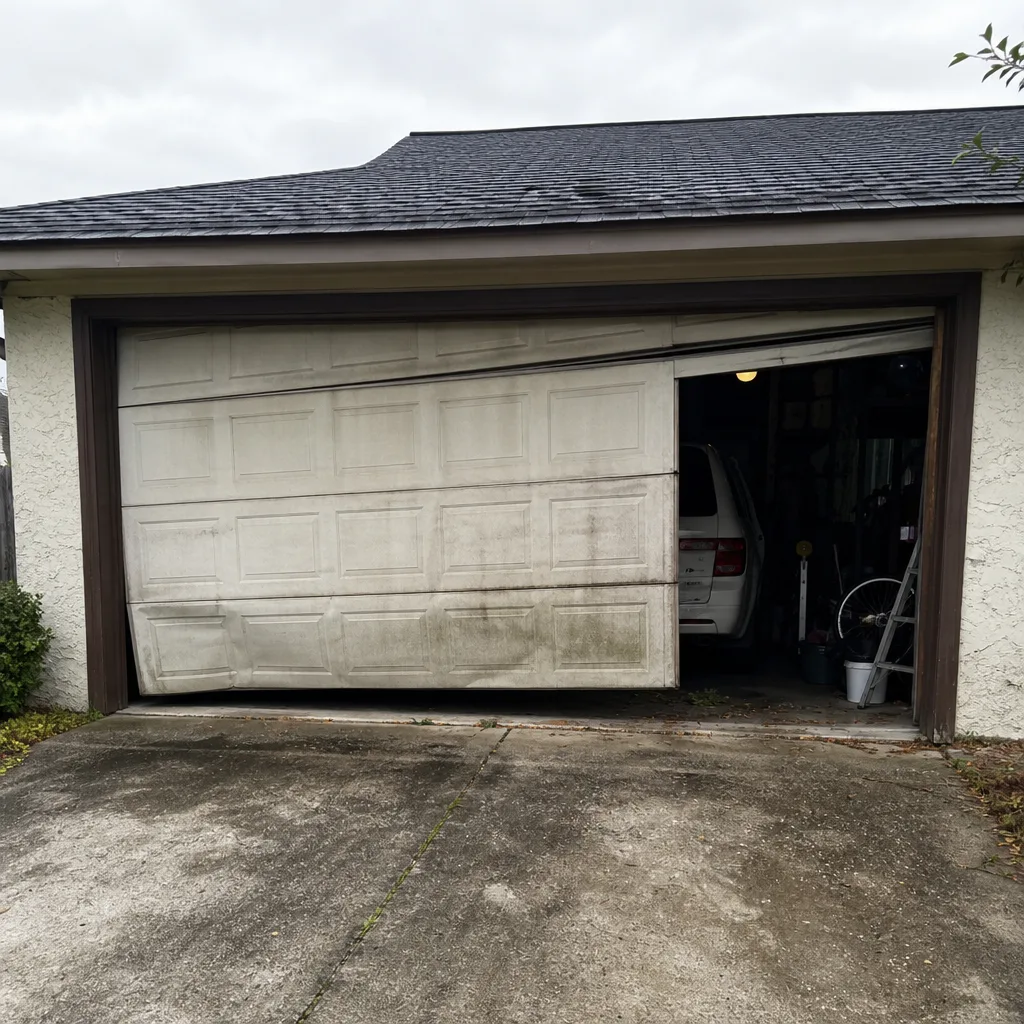 Before
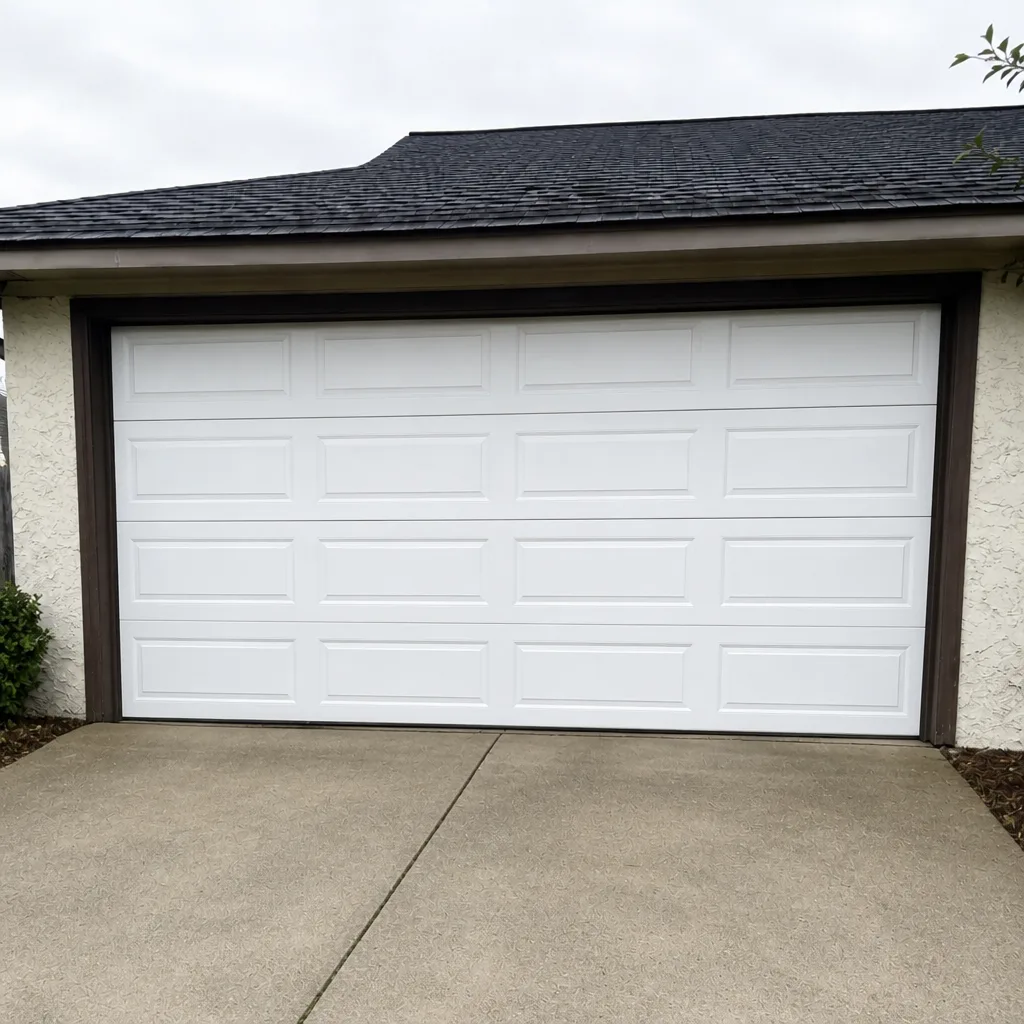 After
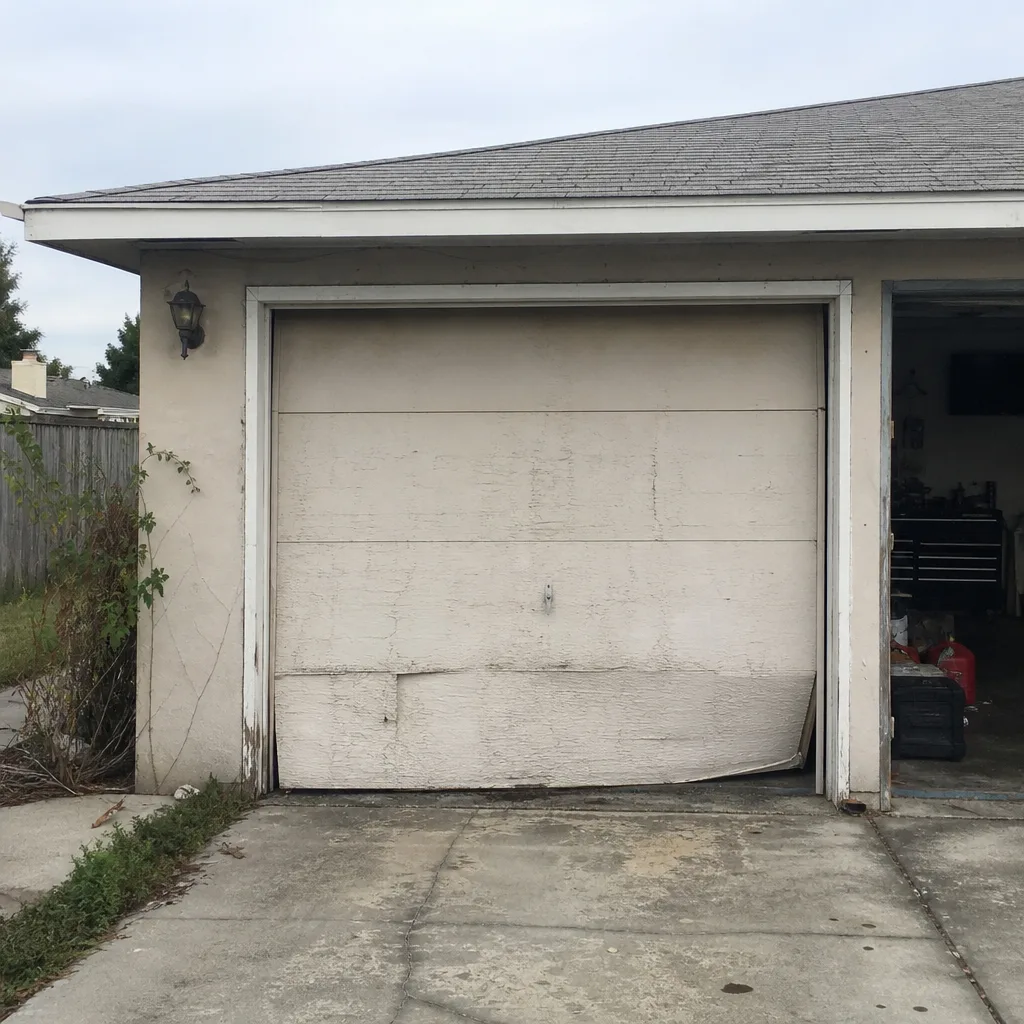 Before
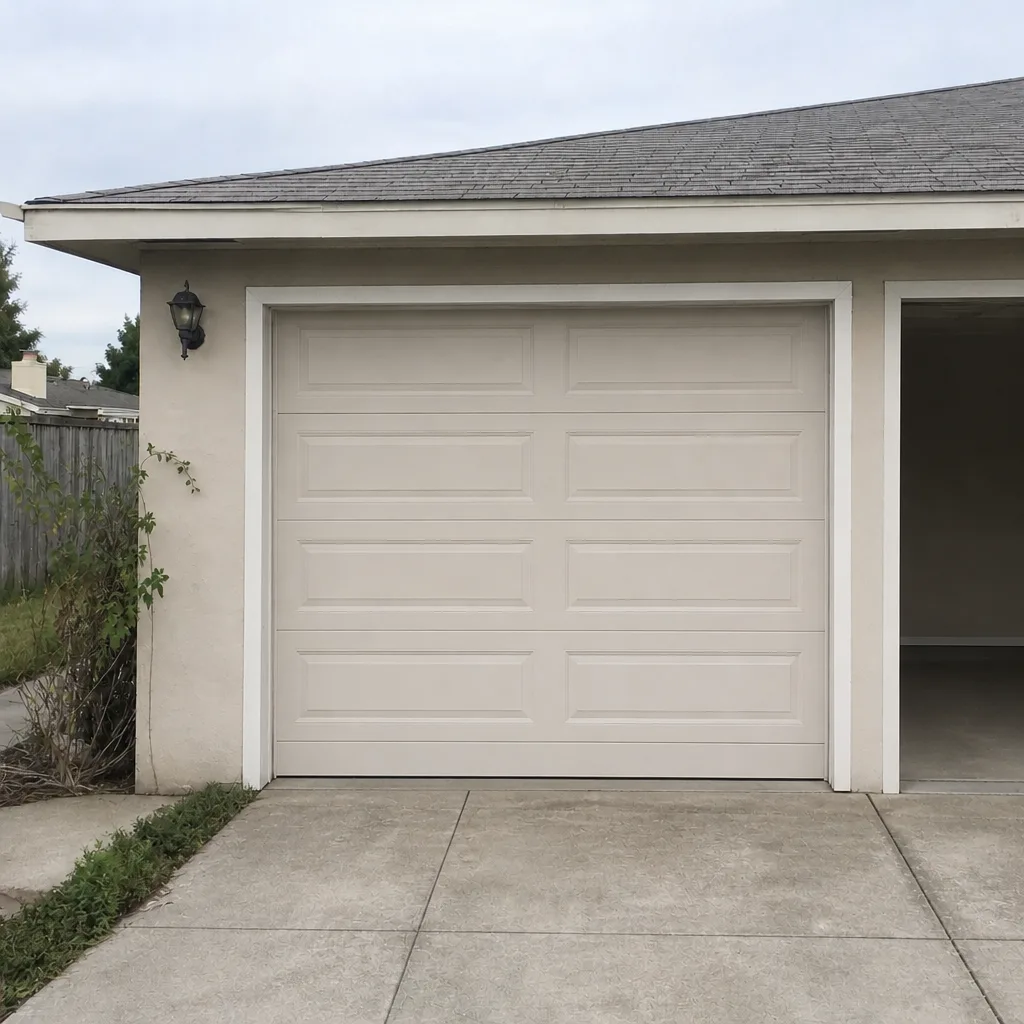 After
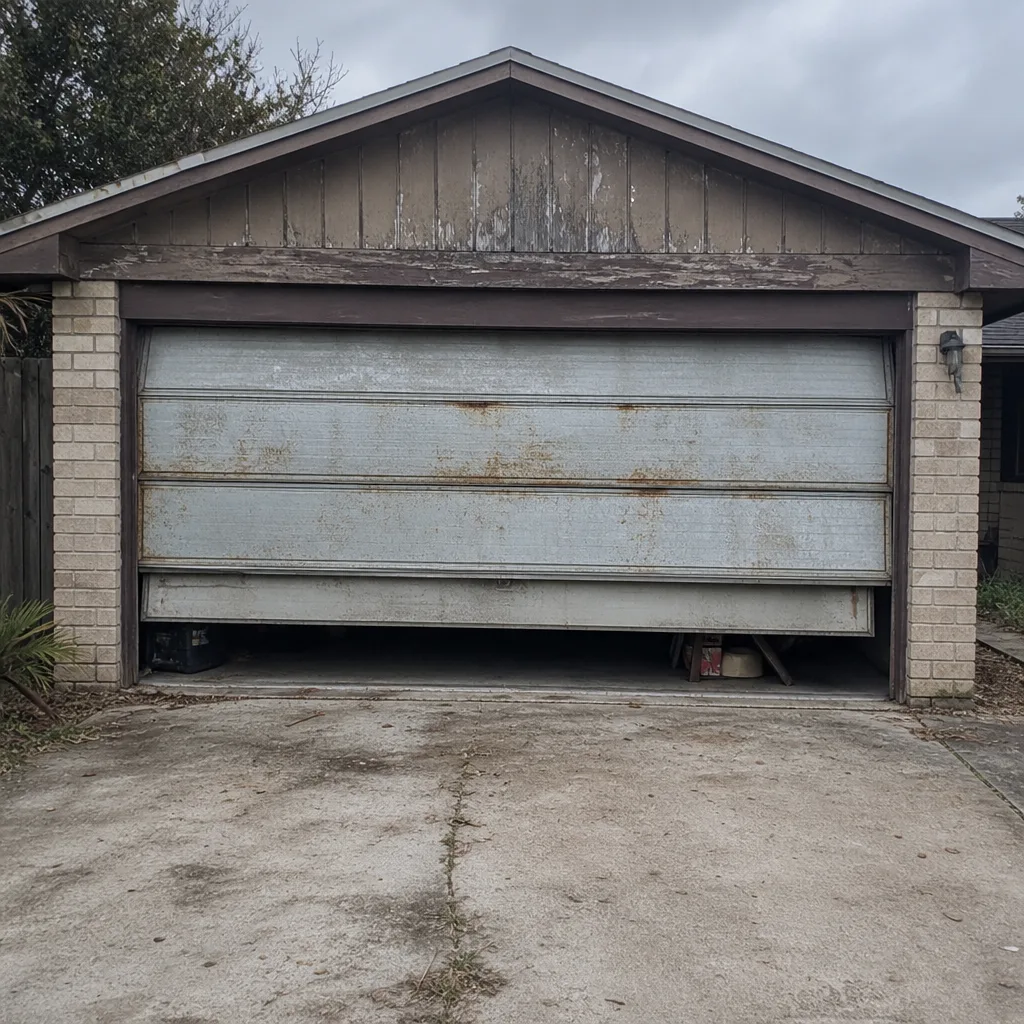 Before
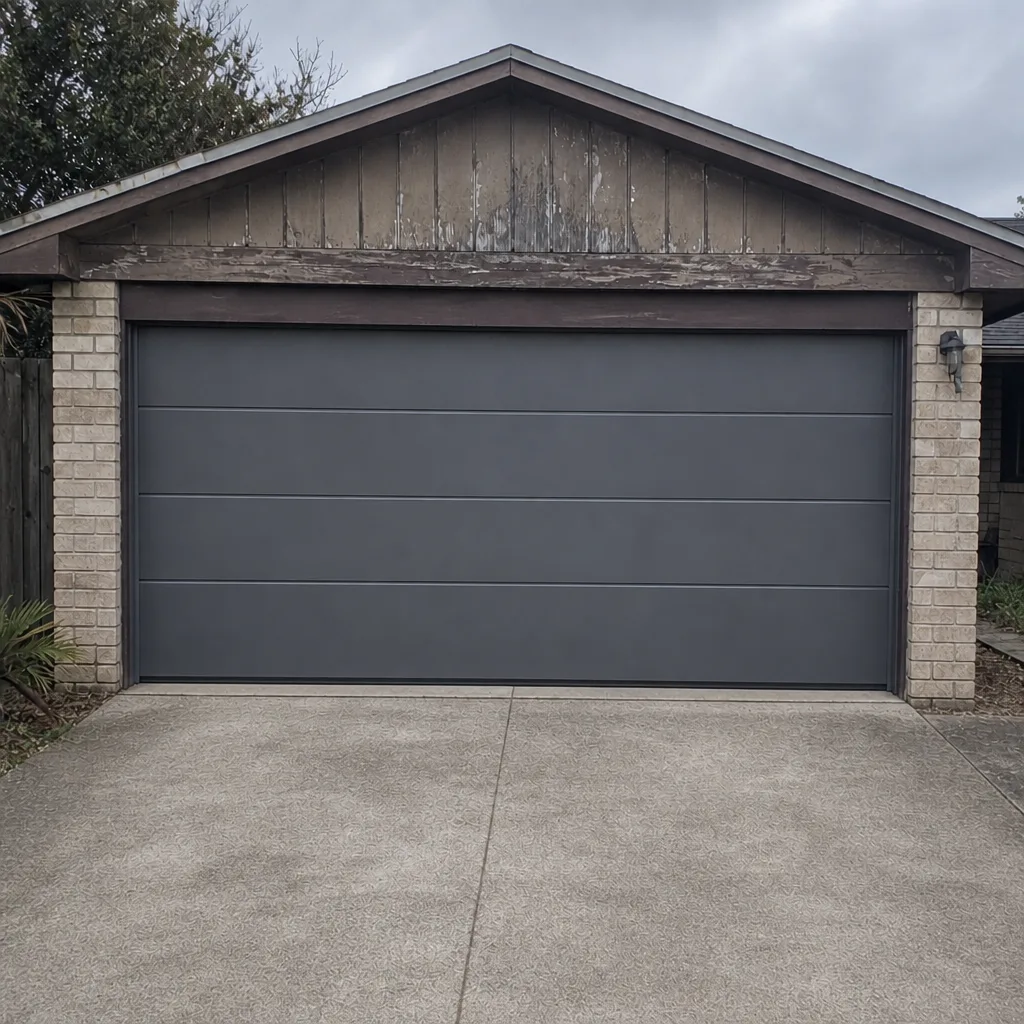 After