Last updated November 23, 2026
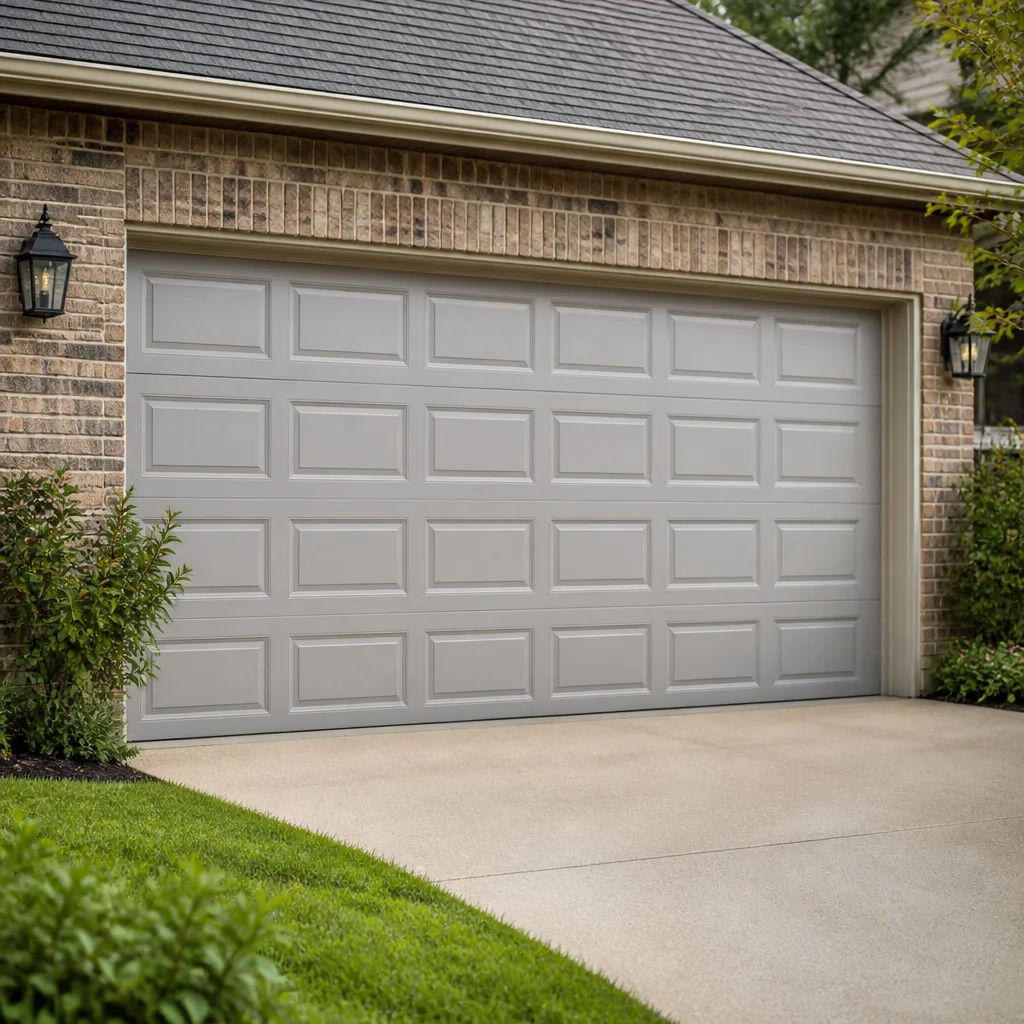 Raised-panel steel
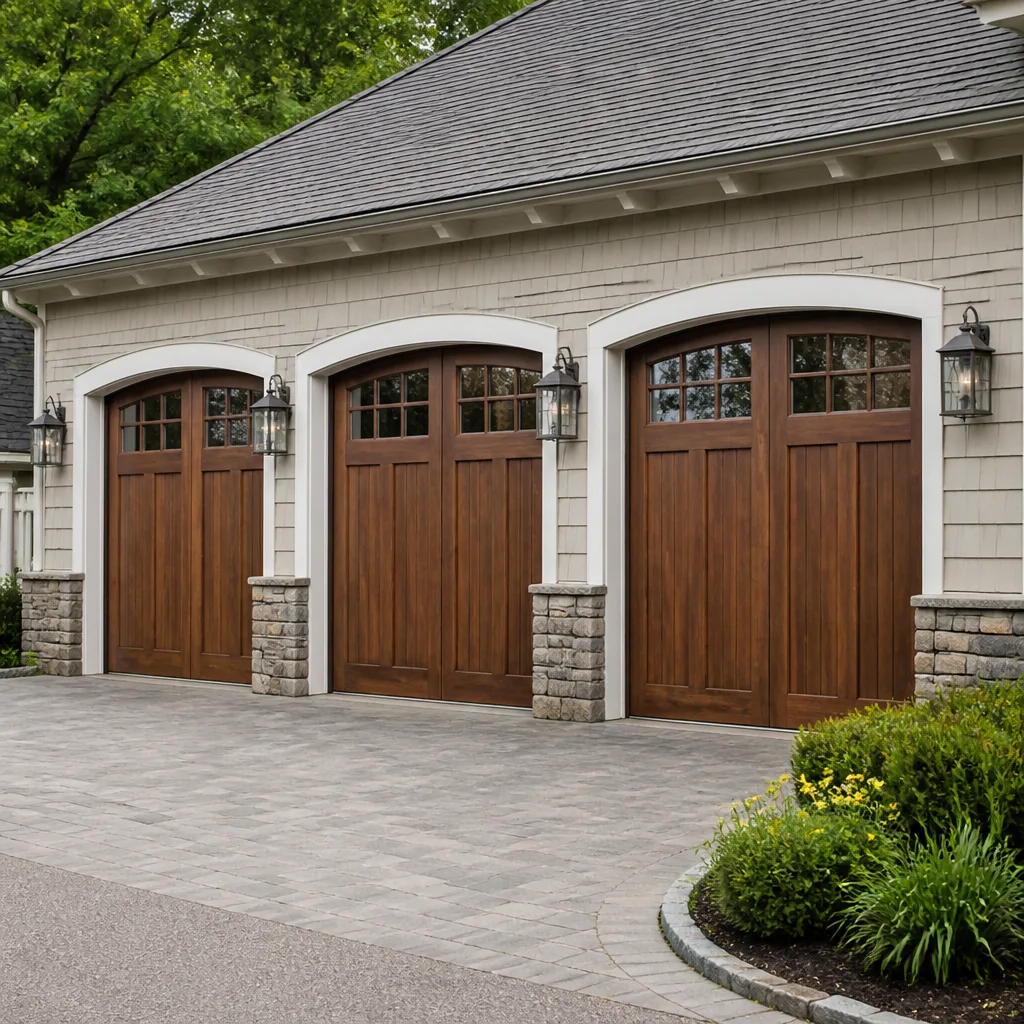 Carriage house
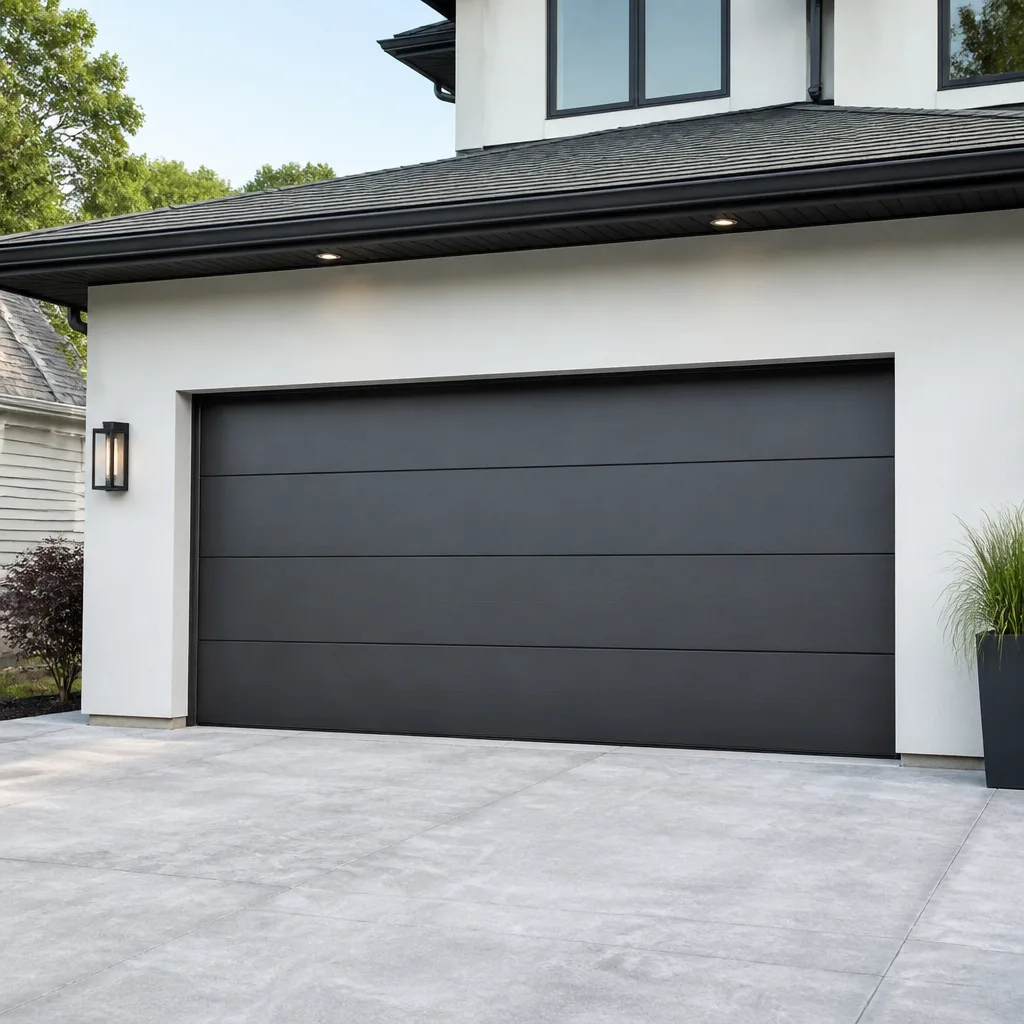 Modern flush
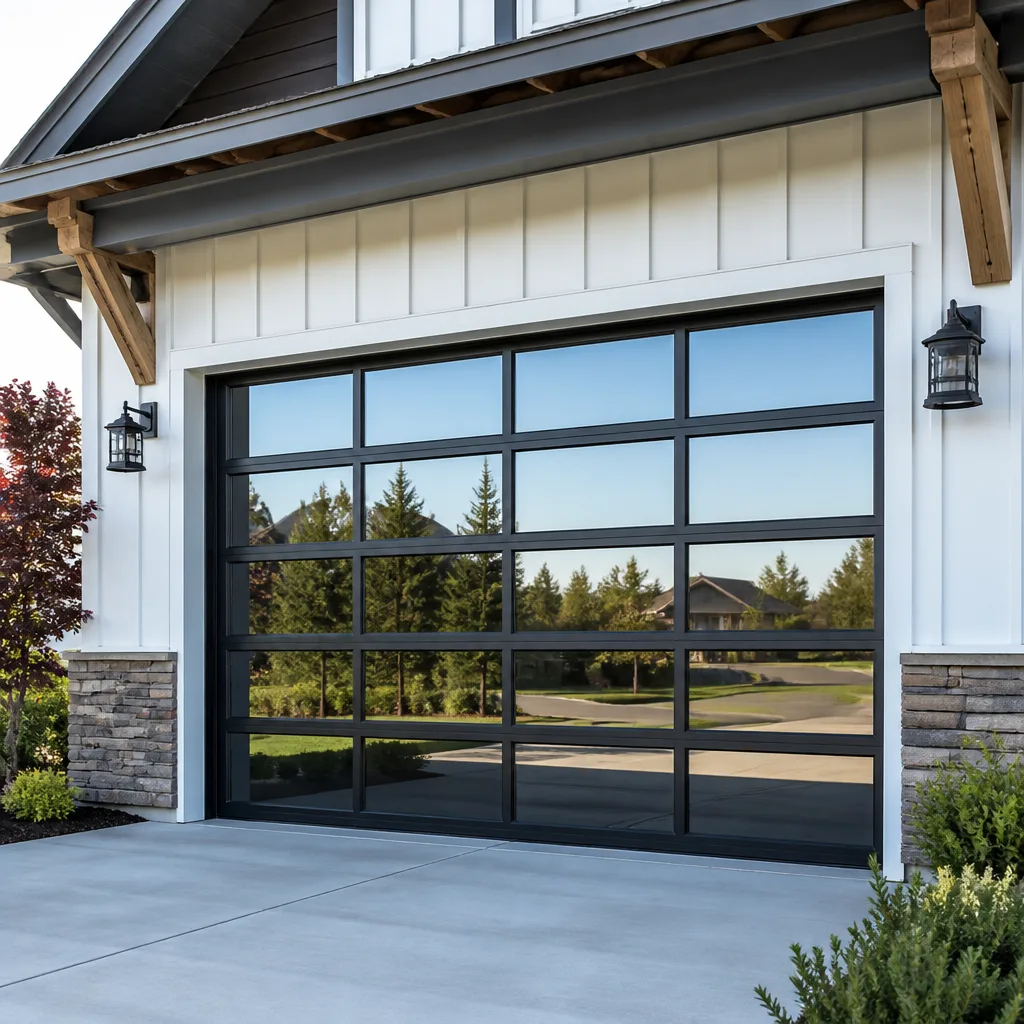 Full-view glass
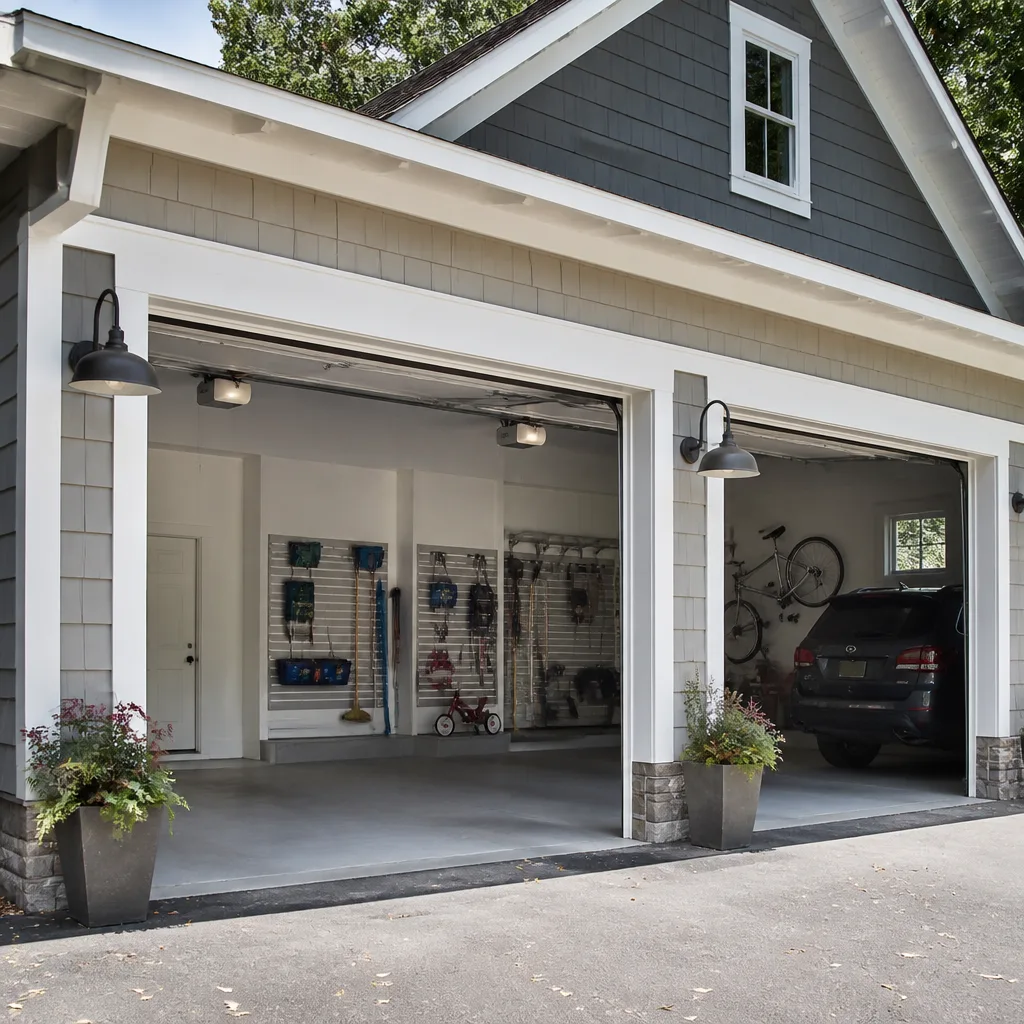 LiftMaster openers
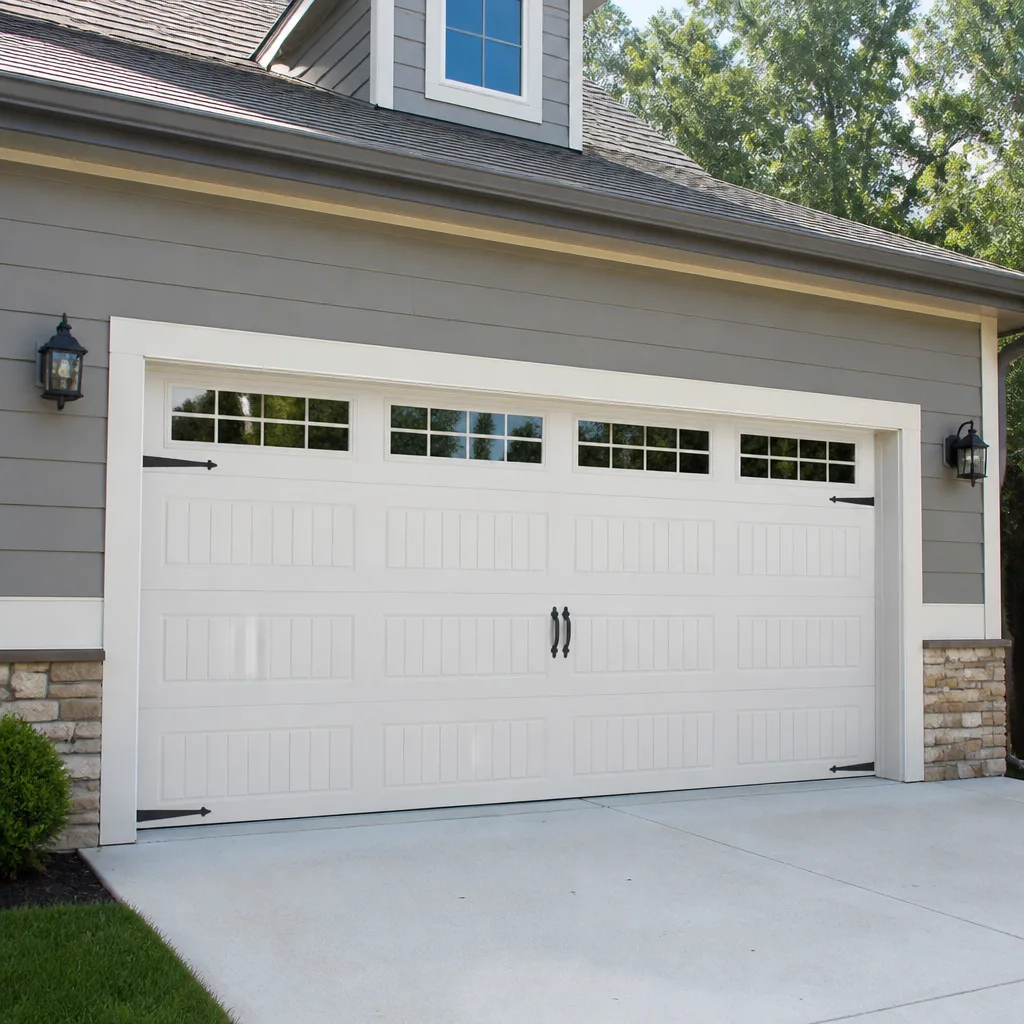 Chamberlain openers
Full 25-point door and opener safety check with every visit - springs, cables, rollers, tracks, and your LiftMaster or Chamberlain opener included
You get a price before we start. It does not change when the pro arrives.
Get your free estimateDIY vs Professional Garage Door: The New Smyrna Beach Homeowner’s Decision Guide
Most homeowners who get hurt working on a garage door aren’t reckless. They’re capable people who’ve replaced a water heater, patched drywall, and rebuilt a deck, and they assume the garage door is just another mechanical system they can learn on a video. Then they meet a torsion spring. A fully wound torsion spring holds enough stored energy to throw a grown adult across a garage floor, and it releases without warning when a winding bar slips or a set screw gives way. That’s the line this guide draws. Everything before the line is genuinely doable, and everything after it isn’t about skill. Below, we separate the work you can safely handle from the work that has a hard ceiling, explain what Florida Building Code expects in New Smyrna Beach, and show you how to run the cost math on a repair before you decide.
Quick Answer
The garage door repair tasks worth doing yourself are limited to low-tension, non-structural work: replacing a bottom seal, aligning safety sensors, lubricating hinges and rollers, reprogramming a remote, and swapping weatherstripping. Anything involving a torsion spring, extension spring, cable, drum, bottom bracket, or the door’s structural panels belongs with a trained technician. In Florida, replacing a garage door or changing its structural components typically triggers a permit and requires a licensed contractor, so DIY on those items can leave a home non-compliant as well as unsafe. For everything on the low-tension list, a careful homeowner can save real money; for everything above it, the savings aren’t worth the risk.
Styles & brands we work with
- Raised-panel steel
- Carriage house
- Modern flush
- Full-view glass
- LiftMaster openers
- Chamberlain openers
Table of Contents
- Where the DIY Line Actually Sits
- The Hard No-DIY List, and Why Each Item Is Different
- The Genuine DIY List: Tasks Worth Your Saturday Morning
- Florida Building Code and Permit Reality in New Smyrna Beach
- Running the Cost Math on a Specific Repair
- The Partial-DIY Approach That Legitimately Lowers the Bill
- How New Smyrna Beach Conditions Affect Your Door
- Common Mistakes to Avoid
- When to Call a Professional
Where the DIY Line Actually Sits
The usual advice is that garage doors are “complicated” and should be left alone. That’s unhelpful because it treats a sensor alignment and a torsion spring wind-up as the same kind of job. They aren’t. One is a five-minute adjustment with a screwdriver. The other is a high-tension mechanical operation where a single slip can fracture a wrist or worse. The distinction that matters isn’t difficulty. It’s stored energy.
Think of your garage door as two systems bolted together. The first is the door itself: panels, hinges, rollers, tracks, seals, and the safety reverse system. All of that moves slowly, holds modest force, and responds predictably when something’s off. The second system is the counterbalance: springs, cables, drums, and the bottom brackets that anchor them. That system stores the energy needed to lift a door that weighs well over a hundred pounds, and it holds that energy every hour of every day, whether the door is open, closed, or halfway. A door sitting closed in a New Smyrna Beach garage is still a loaded system.
That’s the whole framework. If a repair touches the counterbalance, it’s a professional job no matter how handy you are. If it touches the door, the seals, the sensors, or the electronics, it’s a conversation. We’ve watched homeowners save a service call by handling the second category themselves, and we’ve also seen the aftermath of someone who crossed into the first category because a video made it look straightforward. The list below is how to tell them apart before you start.
The Hard No-DIY List, and Why Each Item Is Different
Every item on this list shares one trait: stored mechanical energy that can release suddenly. That’s why we don’t give step-by-step instructions for any of them, and why no responsible guide should. What we can do is explain the mechanics so you understand what a technician is actually managing.
- Torsion springs. A torsion spring is wound under tension along a shaft above the door. To adjust or replace it, a technician uses winding bars to add or remove turns while the spring fights back. If a bar slips out mid-wind, the spring unwinds in a fraction of a second and the bar becomes a projectile. This is why garage door spring repair is a core part of our work rather than an afterthought; the job demands the right bars, the right spring size match, and the discipline to never let your body sit in the release path.
- Extension springs. Older doors often use springs that stretch along the tracks. They lack the containment hardware that modern torsion setups have, so a failure sends the spring and its hardware fast and far. Replacement means choosing and mounting the right spring for the door’s weight, then installing a containment cable if one isn’t there.
- Cables and drums. The cables carry the door’s weight from the bottom bracket up around the drum at the top of the shaft. Cables sit under the spring’s tension, so cutting or loosening one without first releasing the spring tension is the same hazard in a different form. The bottom bracket that anchors the cable is famously the part that fails most violently when handled wrong.
- The bottom section and bottom brackets. The lowest panel carries the brackets that hold the cable under tension. Even unbolting a bracket on a door with a live spring can release stored force. Never drill, cut, or remove hardware from the bottom of a door that hasn’t been de-tensioned by someone trained to do it.
- Structural panel replacement and track realignment. Swapping a damaged section or pushing a bent track back into true affects the door’s balance and the load path. A door that’s out of balance runs its opener and its springs harder and can come off the track.
Notice that nothing here is about a homeowner’s competence. A skilled woodworker can build cabinets that fit to a millimeter and still lack the training to safely wind a spring, because the two skills don’t overlap. This is a specific mechanical hazard, and it rewards the version of training that comes from repetition. Our technicians have up to 12 years of experience specifically with these systems, and even they approach every spring job as high-risk work.
If your spring has already broken, you’ll know by the loud report, the sudden inability to lift the door, and the gap in the coil. In that state, leave the door closed and call us. A broken spring means the door’s weight is unsupported and the opener is straining against a load it wasn’t designed for, and every cycle in that condition does more damage. Emergency garage door service exists for exactly this scenario, and reaching us the day it happens is far better than forcing the door open by hand.
The Genuine DIY List: Tasks Worth Your Saturday Morning
Here’s the honest version of what you can handle. Each task below is low-tension, reversible, and forgiving of a mistake. None of them require special tools beyond a screwdriver, a socket set, and a ladder you’re comfortable on. Difficulty ratings are our read of the typical first-timer.
- Bottom seal replacement. Easy. The rubber flap along the bottom edge pushes or slides out of a channel on the lowest panel. Pull the old one, slide the new one in, trim to length. It’s a fifteen-minute job that stops the daylight and the drafts under the door.
- Safety sensor alignment. Easy. If the door reverses on its own or won’t close, the photo-eye sensors near the floor on either side of the tracks are usually to blame. Wipe the lenses, check that both lights are on, and nudge each sensor until they point at each other. That fixes most of these calls.
- Lubrication. Easy, but do it right. A garage door’s hinges, rollers, and springs want a garage door lubricant, not cooking spray or motor oil. A light coat on the hinges and the bearing surfaces twice a year keeps things quiet and reduces strain.
- Remote and keypad reprogramming. Easy. Remotes lose their programming, batteries die, and remotes from one brand often don’t work on an opener from another. Most garage door opener repair scenarios of the “my remote stopped working” type are a battery or a re-pairing, and the manual has the exact button sequence.
- Weatherstripping around the frame. Moderate. The seals nailed or stapled around the door opening keep rain and wind out. The old ones pull off and the new ones go on with a hammer or a staple gun. It’s fiddly at the top corners but easy enough with a helper.
- Visual inspection of the whole system. Easy and worth doing monthly. Stand inside the garage with the door closed and look at the springs and cables. Look for gaps in a spring, frayed cable strands, and chewed spots. If you see any of them, stop and get a professional in.
Notice what’s missing: anything on the counterbalance. That’s deliberate. A homeowner can safely learn any item on this list from a good video in under an hour. The items above this list aren’t “harder.” They’re categorically different, which is why we treat them that way for our customers in New Smyrna Beach.
Florida Building Code and Permit Reality in New Smyrna Beach
Florida treats garage doors differently than most people expect. A garage door is part of the building envelope, and the building code cares about it as a structural opening, particularly for wind resistance. That has direct consequences for what you can legally do yourself in New Smyrna Beach.
Replacing a garage door, changing the track layout, or altering its structural components generally requires a permit from the city’s building department and work by a licensed contractor. Replacing a spring, a cable, or a bottom bracket isn’t always a permit item, but it is trained, safety-critical work that a licensed professional should handle regardless. The bottom line most homeowners miss is that a permit isn’t just paperwork. It’s the city’s way of confirming that the door, its hardware, and the way it attaches to the house meet the wind and impact requirements for this part of Florida. A door installed without one can be a problem when you sell, and if it fails in a storm, there’s no inspection record showing it was ever compliant.
Here’s how to check what applies to your job:
- Replacing the whole door: verify with the City of New Smyrna Beach building department whether a permit is required, and confirm the contractor is state-licensed. That’s a phone call or a check on the city’s site, and it’s the fastest way to know you’re on solid ground.
- Changing the door’s size or the head-room layout: this is a structural change to the opening and needs a permit and an inspection.
- Spring, cable, and drum replacement: not usually a permit item, but always a professional one.
- Seals, sensors, lubrication, remotes: no permit, no problem.
We work with licensed local professionals who handle the permit side as part of their work, so a replacement in New Smyrna Beach isn’t a question you have to solve yourself. What we’d say to any homeowner considering a DIY replacement is this: the code exists because doors are heavy, doors are structural, and doors sit in the wind path on the front of a house. The paperwork is there for a reason.
Running the Cost Math on a Specific Repair
The real question for most homeowners isn’t “can I do it” but “is the money saved worth it.” That’s a legitimate question, and it deserves a real answer rather than a reflex. Below is the math we’d walk a New Smyrna Beach homeowner through on the phone before they schedule.
Step 1: Start with the parts cost. Springs, cables, and drums are not interchangeable, and the price depends on the door’s weight and the spring’s size and cycle rating. Call or write down your door’s make and model from the label, and ask what the correct part costs. A generic replacement from a big-box store often doesn’t match the door, and mismatched hardware wears out faster and fails sooner.
Step 2: Add your time honestly. A careful homeowner can swap a bottom seal in fifteen minutes. A skilled DIYer can lubricate and re-align sensors in half an hour. Add the trip to the store, the tool you have to buy, and the actual job. If the job soaks up a whole day for a repair that a pro would finish in under an hour, you’re paying for your time in another currency.
Step 3: Add the risk of a failed attempt. This is the column most DIY math leaves out. A wrong spring choice can bend a door panel or strip a track. A mis-set sensor can leave the door closing on a car, a bike, or a person. A cable job gone wrong can cost far more than the repair you started. When the repair is spring or cable related, the risk column can quickly outrun any savings.
Step 4: Compare to an estimate. A written estimate from a professional is free, and it tells you the real number. Sometimes it’s less than you expected. We see plenty of homeowners who call for an estimate, hear the number, and realize a professional repair costs less than their own time and parts combined. When it does, the call was worth it.
The rule of thumb we’d hand you: for a low-tension job you’ve done before, DIY. For a first-time repair on the counterbalance, the math almost never works even before you count the risk. Call and get a number.
The Partial-DIY Approach That Legitimately Lowers the Bill
You don’t have to pick a side. There’s a middle path that saves money without putting your hands near a loaded spring, and it’s the approach we’d recommend to most New Smyrna Beach homeowners who want to bring the bill down.
The idea is straightforward: you take care of the things that cost a technician time but don’t require training, and the professional focuses on the part that does. On a typical service call, the billable time includes getting to the right part of the door, finding the labeled model and spring size, and confirming the diagnosis. A homeowner who’s done that prep work up front shrinks the job.
Here’s the checklist we’d give you before your appointment:
- Clear the floor under the door and the floor in front of it. A technician stacked with tools shouldn’t also be moving your lawn chairs.
- Note the door’s make and model from the label on the frame, and tell us the opener brand when you call. We work on LiftMaster, Chamberlain, Genie, Craftsman, Clopay, Amarr, Wayne Dalton, and Raynor, so if the door or the opener is from any of those, we arrive knowing what we’re dealing with.
- Write down what the door is doing: the noise it makes, whether it reverses, which remote works, and when it started. The more specific, the faster the diagnosis.
- Do the low-tension fixes yourself before you call. Lubricate, wipe the sensor lenses, replace the remote batteries, and clear the track of leaves and grit. Plenty of service calls end with a diagnosis that turns out to be one of these.
- Take a photo of the spring and cable from the doorway before the technician arrives. It helps size the parts.
That’s the version of DIY that pays. When the door finally needs a professional, and the counterbalance repairs inevitably do, the technician arrives with a clear picture, and the job finishes faster. Our technicians are trained on the major brands, so the typical job is a one-stop visit rather than a tag-team with another trade. If you want to reduce your billable time without touching the springs, this is how.
Crucial point: you should always get a written, agreed price before any work begins, and you should ask about it up front. A professional will give you that number in writing without being pushed. If the price is quoted and agreed after the technician’s seen the door, and before the wrench comes out, you know what you’re paying. Every repair quote should clear this bar, and if one doesn’t, ask why.
How New Smyrna Beach Conditions Affect Your Door
Garage doors are the largest moving part of most homes, and in New Smyrna Beach they spend the year in warm, humid conditions. That matters more than most homeowners expect, because humidity and heat are what wear out door seals, harden and dry out rollers and hinges, and stress the electronics inside an opener housing. The garages here rarely see the dramatic cold that cracks a door panel in half, but the year-round warmth and humidity make a slow, steady wear cycle that makes maintenance more valuable, not less.
What does that mean for the DIY question? It means the low-tension jobs pay off more than you’d think. Lubricating hinges and rollers twice a year keeps the door from grinding and extends the life of the opener. Replacing a bottom seal when it starts to look brittle stops rain from working its way into the garage around the opening. Checking the safety sensors matters more here because a foggy lens from morning condensation can trip the door into reversing on its own. Small maintenance tasks done on schedule keep you out of the expensive repair territory.
What it doesn’t change: springs, cables, and drums wear out here eventually, and no amount of lubrication prevents that. When a spring snaps in the middle of a New Smyrna Beach summer, the noise is startling and the door stops moving. That’s an emergency service call, not a project.
See the difference
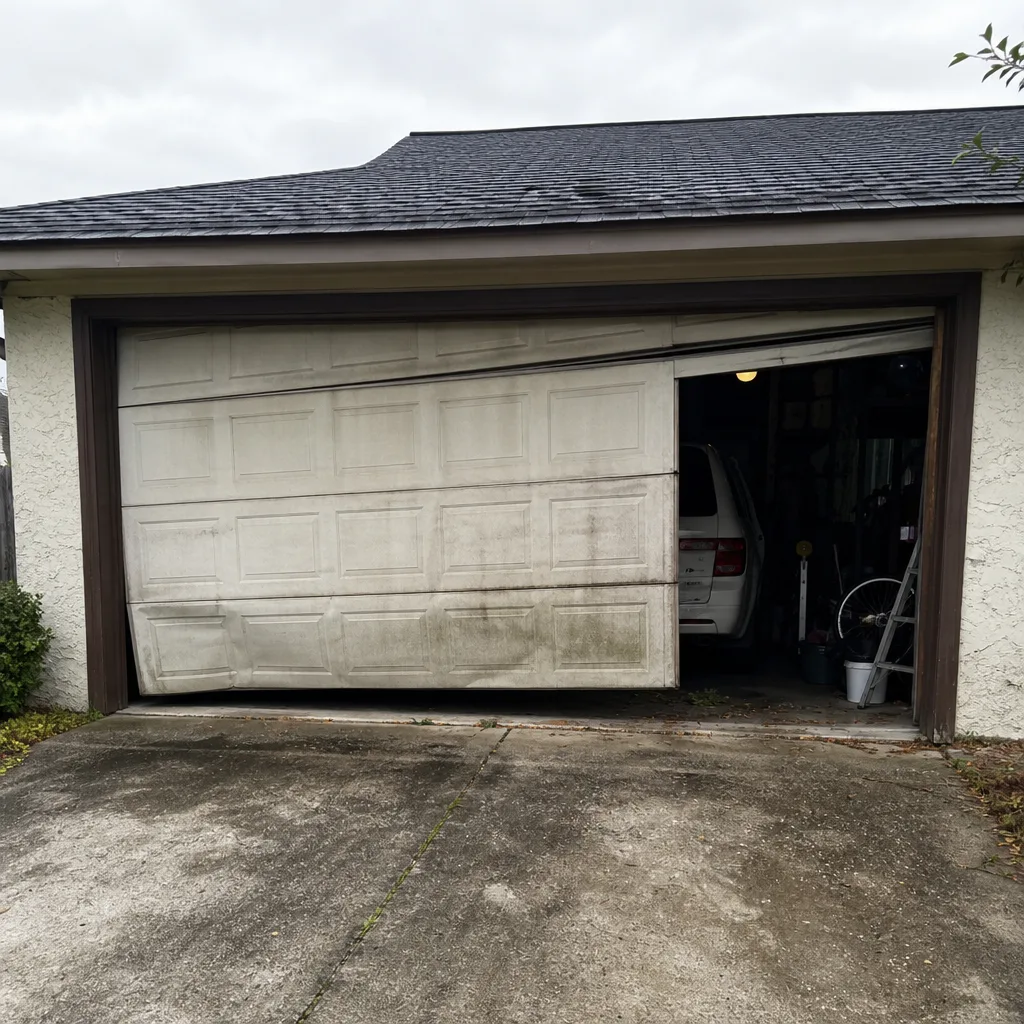 Before
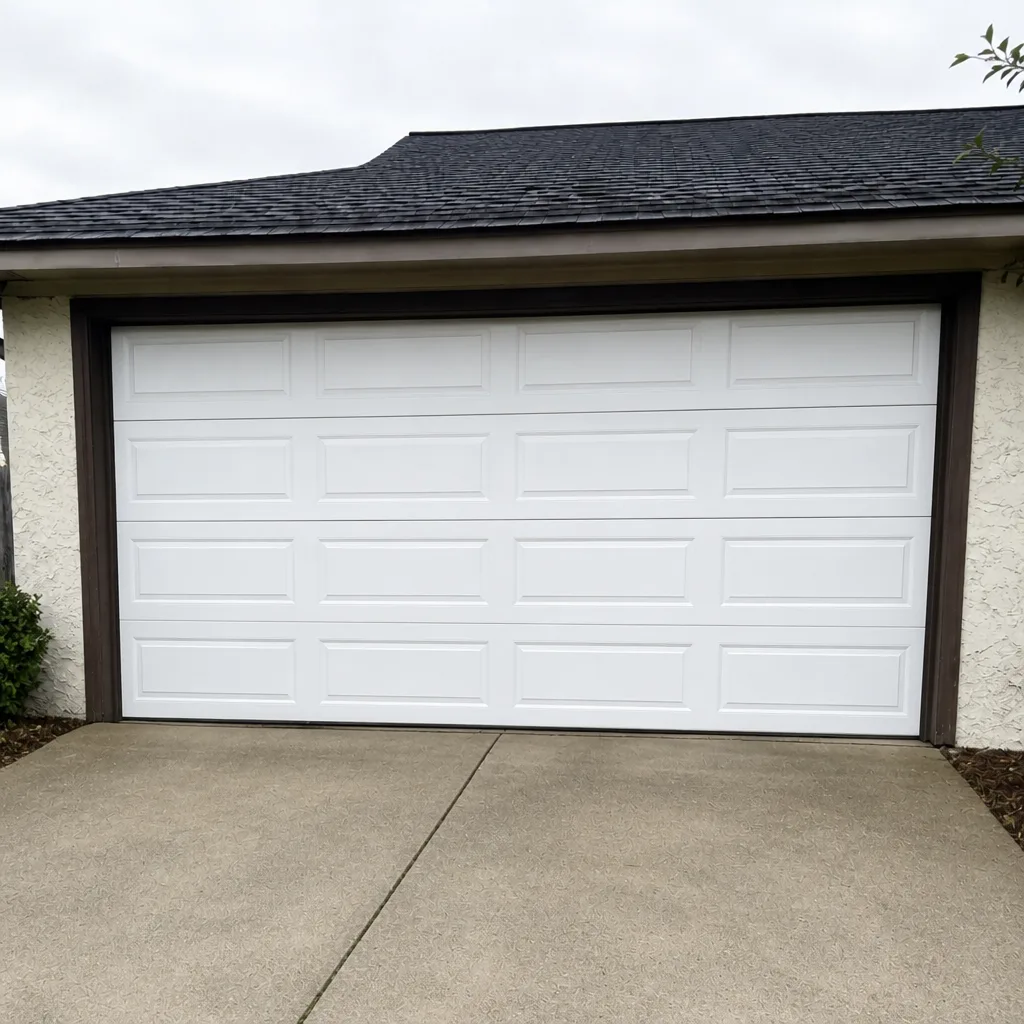 After
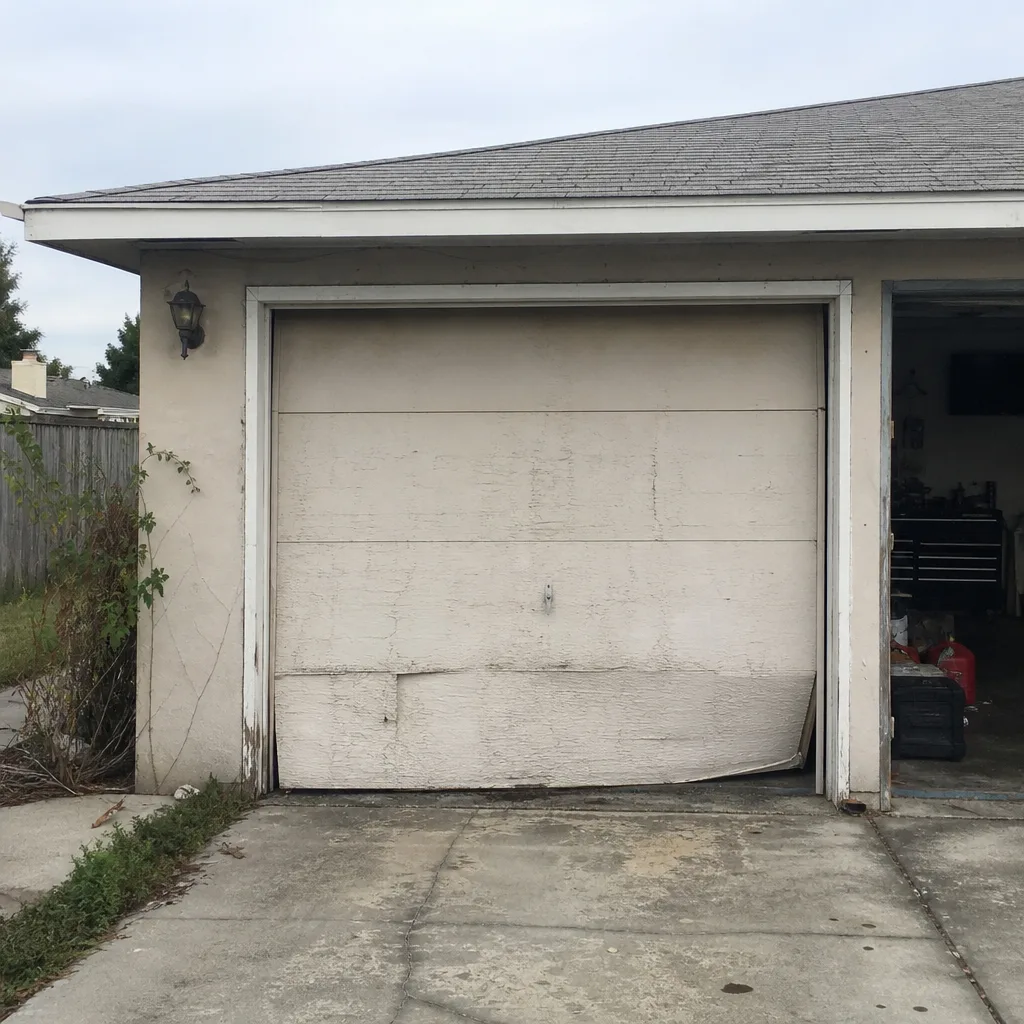 Before
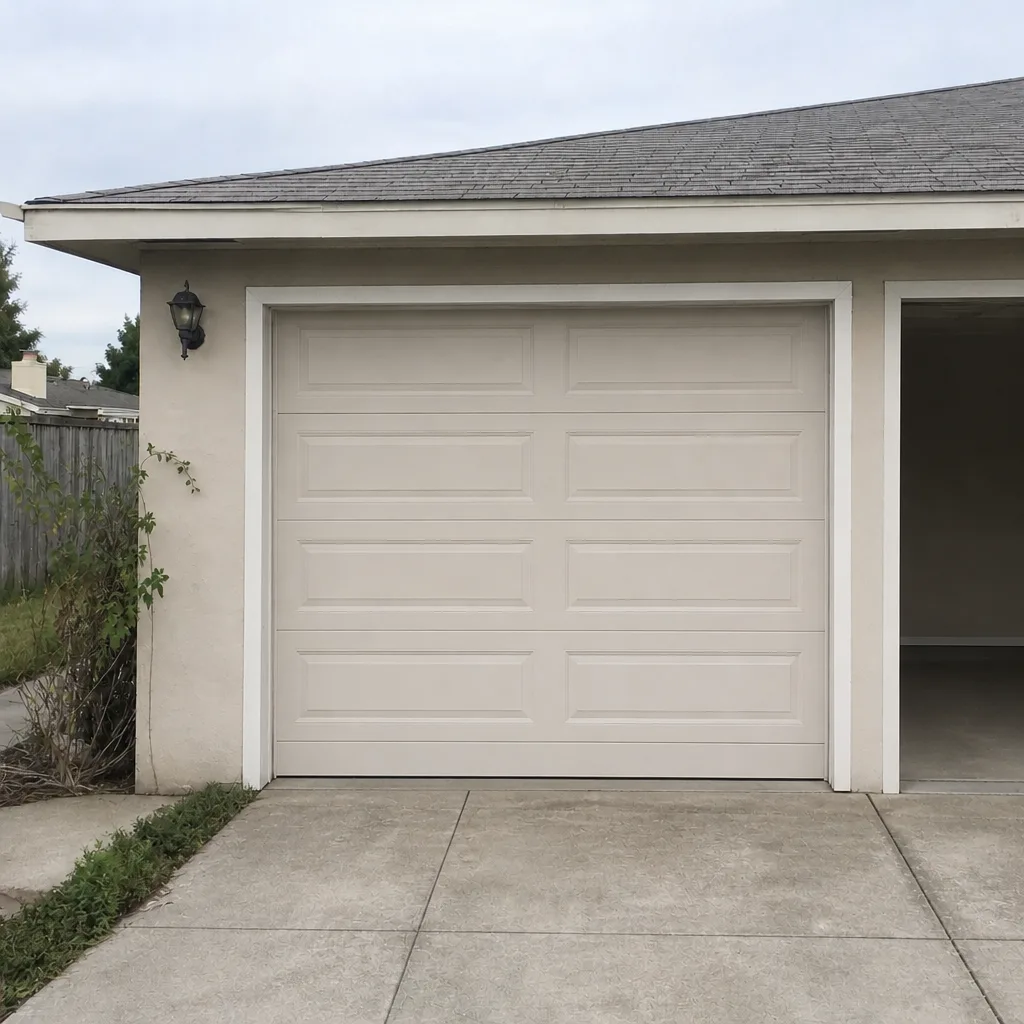 After
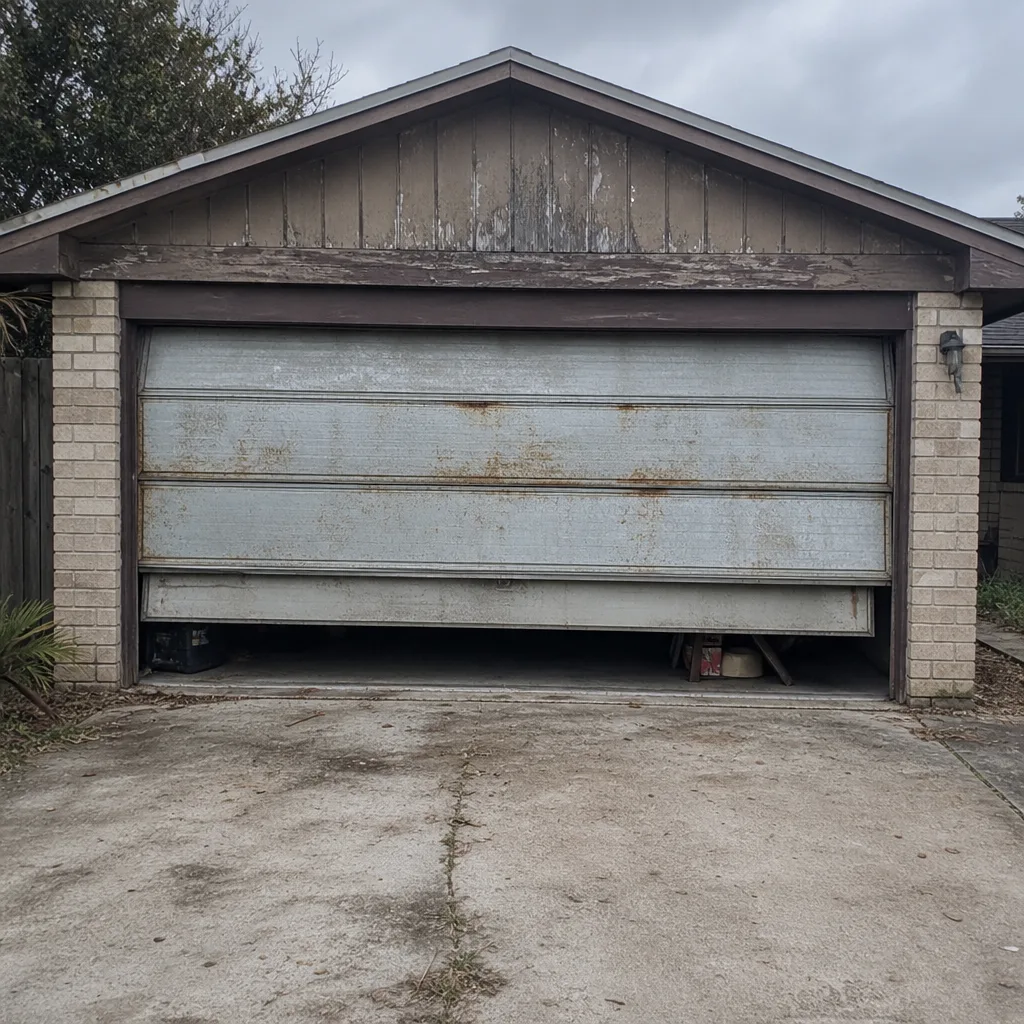 Before
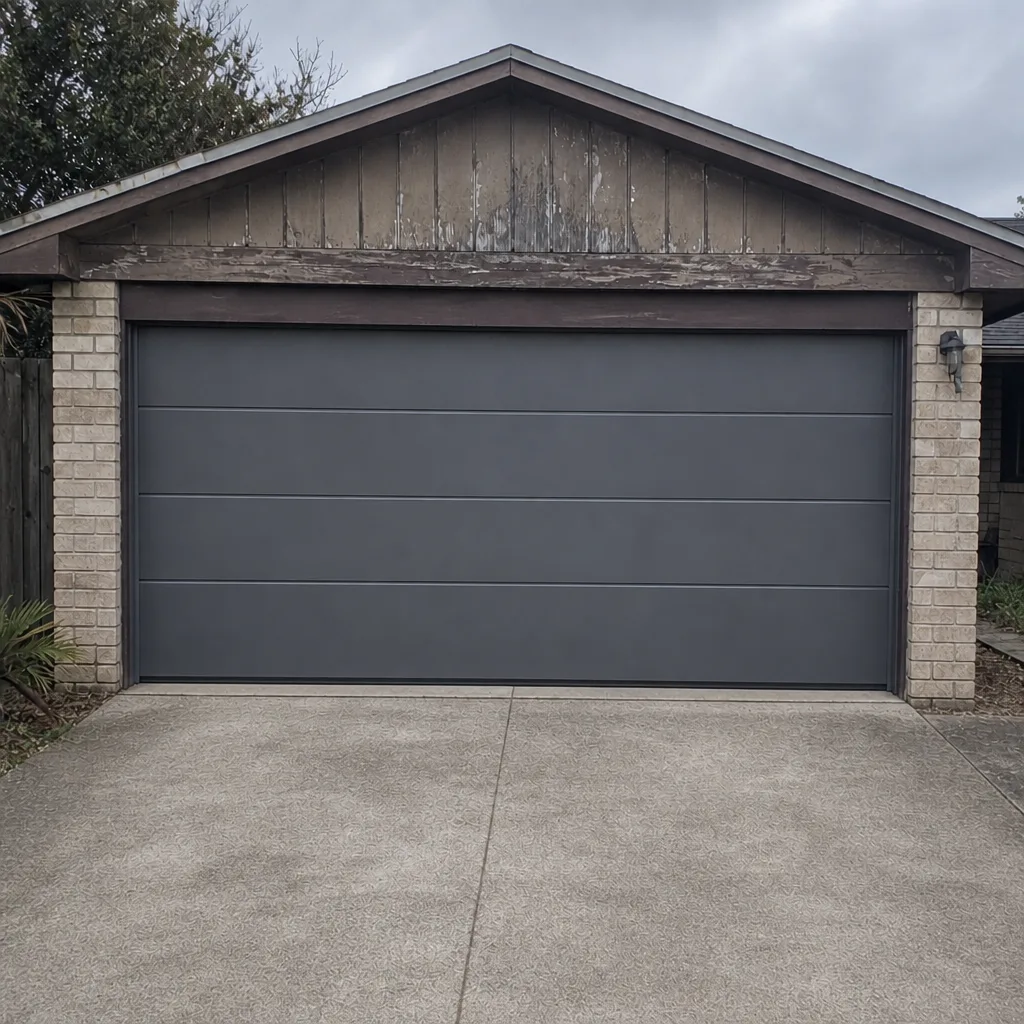 After
Common Mistakes to Avoid
- Winding a spring yourself because a video made it look simple. What a camera doesn’t show is the force at the end of the winding bar. A spring under tension doesn’t care how careful you are; it releases at the wrong angle on the wrong day. Leave it to a trained technician.
- Forcing the door open after a spring breaks. The opener and the door were designed for a system under balance. Yanking it open by hand can bend the panels or strip the track, and it doubles the repair.
- Choosing a spring by guesswork. A spring with the wrong size or cycle count will wear out in months, and it’s the most common way a cheap DIY repair turns into a second repair bill. Take the door’s model number to the parts counter or the professional.
- Skipping the permit on a door replacement. In New Smyrna Beach, the building department expects you to ask about the door as part of the building envelope. A permitless install can be an inspection headache at resale.
- Replacing a whole opener when the remote is the problem. Most opener complaints trace to a battery, a sensor, or a programming change. Check those first before you spend on a new unit.
- Ignoring the rust and grime on the track. A gritty track strains the opener and makes the door pull harder. A wipe-down with a dry cloth a couple times a year is cheap insurance.
- Assuming the door is fine because it still opens. A door with a broken or sagging spring can still rise with the opener doing extra work, and it’s quietly wearing out the motor. Look at the springs every month.
When to Call a Professional
Call a professional for any spring, cable, drum, or bottom bracket issue, any structural damage to a panel or track, an opener that’s made noise after a power surge, a door that reverses without a cause, and any replacement or installation. Call immediately if a spring has snapped and the door won’t lift, because trying to force it will make the repair bigger. Those situations don’t get better with time, and a trained technician can often resolve them in one visit, including diagnosing the door’s make and model against a known brand so the right parts go on the first time.
We provide emergency garage door service for the times a door fails and won’t wait for a next-day appointment, and we offer free estimates for planned work. New Smyrna Beach Garage Door Repair Pros connects you with licensed and insured local professionals trained on the major brands, and the written estimate is the price before the wrench comes out. Call us at (844) 542-2340 and we’ll help you sort out what to handle and what to hand over.
Frequently Asked Questions
No. A torsion or extension spring is a high-tension part holding stored energy, and a simple slip during the wind can cause serious injury or worse. Replace springs only with a trained professional, and leave the door closed until the technician arrives.
Installing a new door is a licensed contractor job in Florida, and this type of work generally requires a permit from the City of New Smyrna Beach building department. Do the door as a project with a licensed pro, not as a weekend DIY job.
Bottom seals, safety sensor alignment, lubrication, remote and keypad reprogramming, and frame weatherstripping are all safe for a careful homeowner. Each is low-tension, reversible, and doesn’t touch the counterbalance system.
If the door feels heavy when you lift it with the opener disengaged and you see a gap in the spring, the spring has broken. If the door lifts easily by hand but the opener doesn’t respond, the problem is the opener or its remotes. Call and describe both to us, and we’ll tell you which brand or system to expect.
Yes, and it’s common. A wrong-spring replacement can damage the door’s balance, and forcing a door with a broken spring can bend panels or the track. Every one of those turns a smaller repair into a larger one, which is why calling early usually saves money.
Yes, estimates for planned repairs and replacements are free, and you get a written price quoted before any work starts. Call (844) 542-2340 and describe what the door is doing. We’ll help you work out whether it’s a DIY task or a service call.
The Bottom Line
The DIY vs professional question for a garage door comes down to one dividing line: stored energy. Seals, sensors, lubrication, remotes, and weatherstripping are yours for the taking, and the saved money is real. Springs, cables, drums, and the structural parts of a door are professional work, and in New Smyrna Beach, replacing a door also means a permit and a licensed contractor. Run the cost math, take the low-tension jobs yourself, and call us for the rest. A written estimate tells you what it costs before anyone picks up a tool, and the free call today is the cheapest part of any decision. Call (844) 542-2340.
Written by the team at New Smyrna Beach Garage Door Repair Pros.