Last updated November 23, 2026
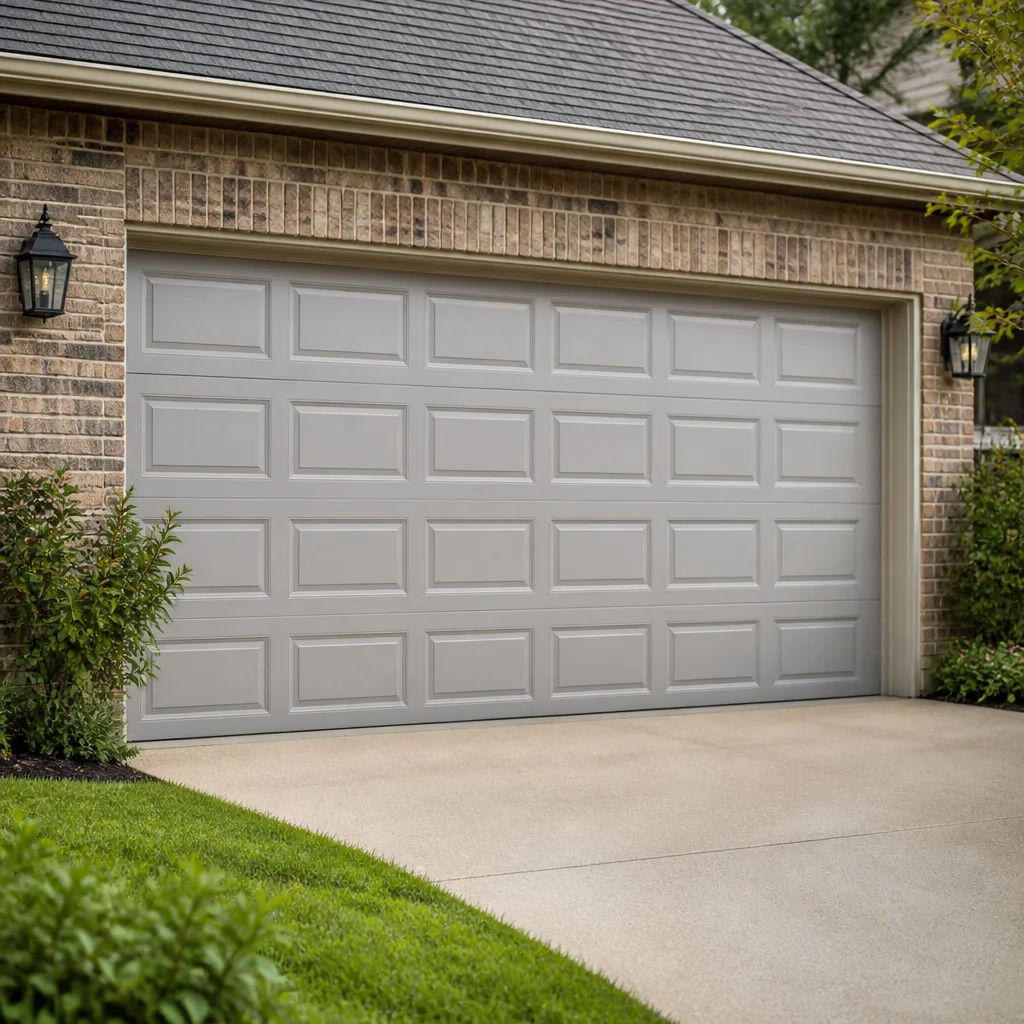 Raised-panel steel
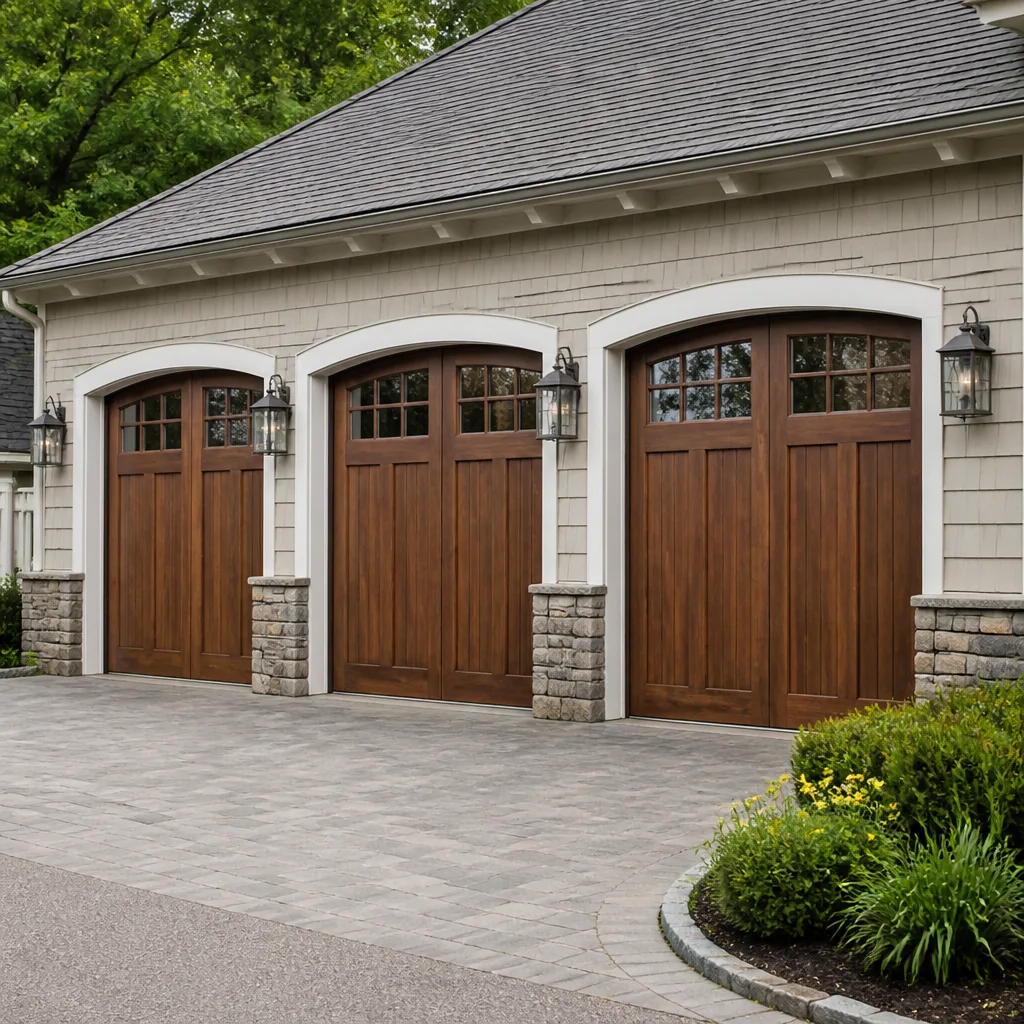 Carriage house
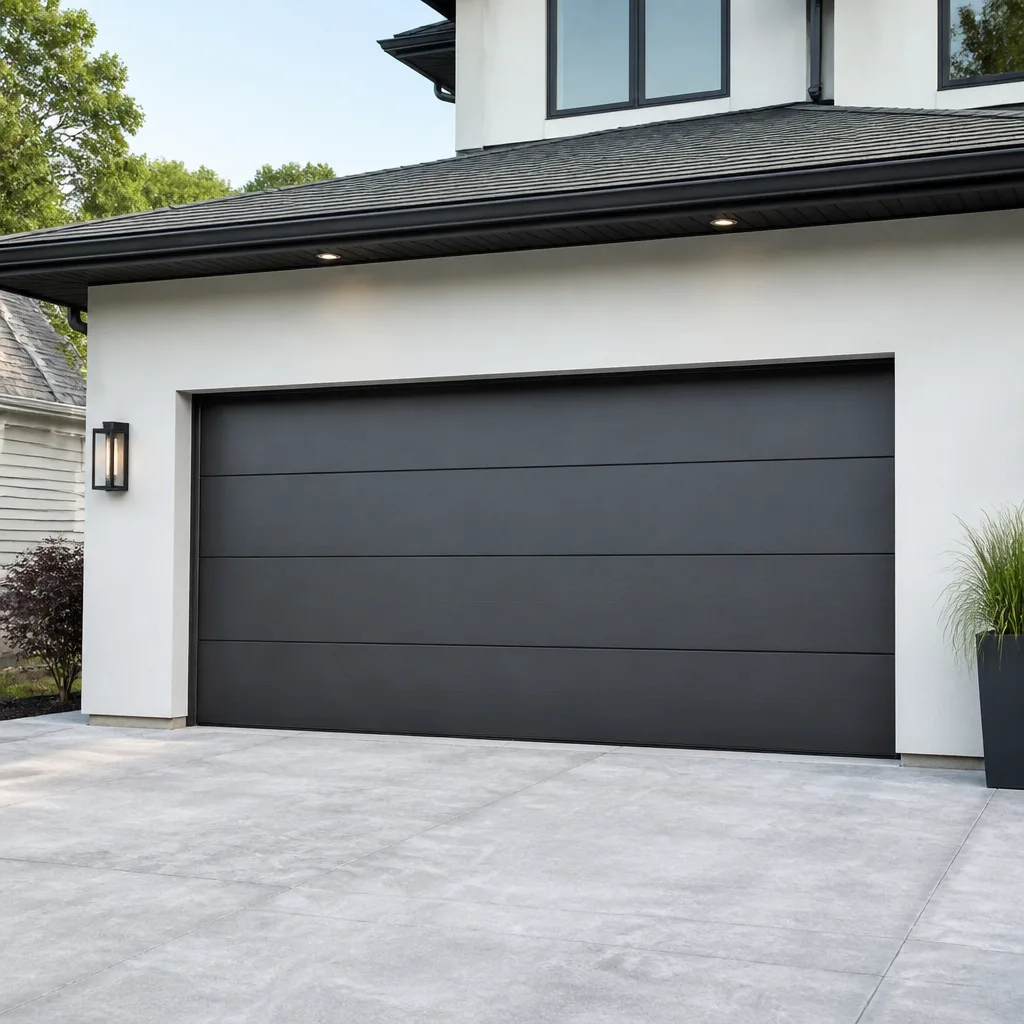 Modern flush
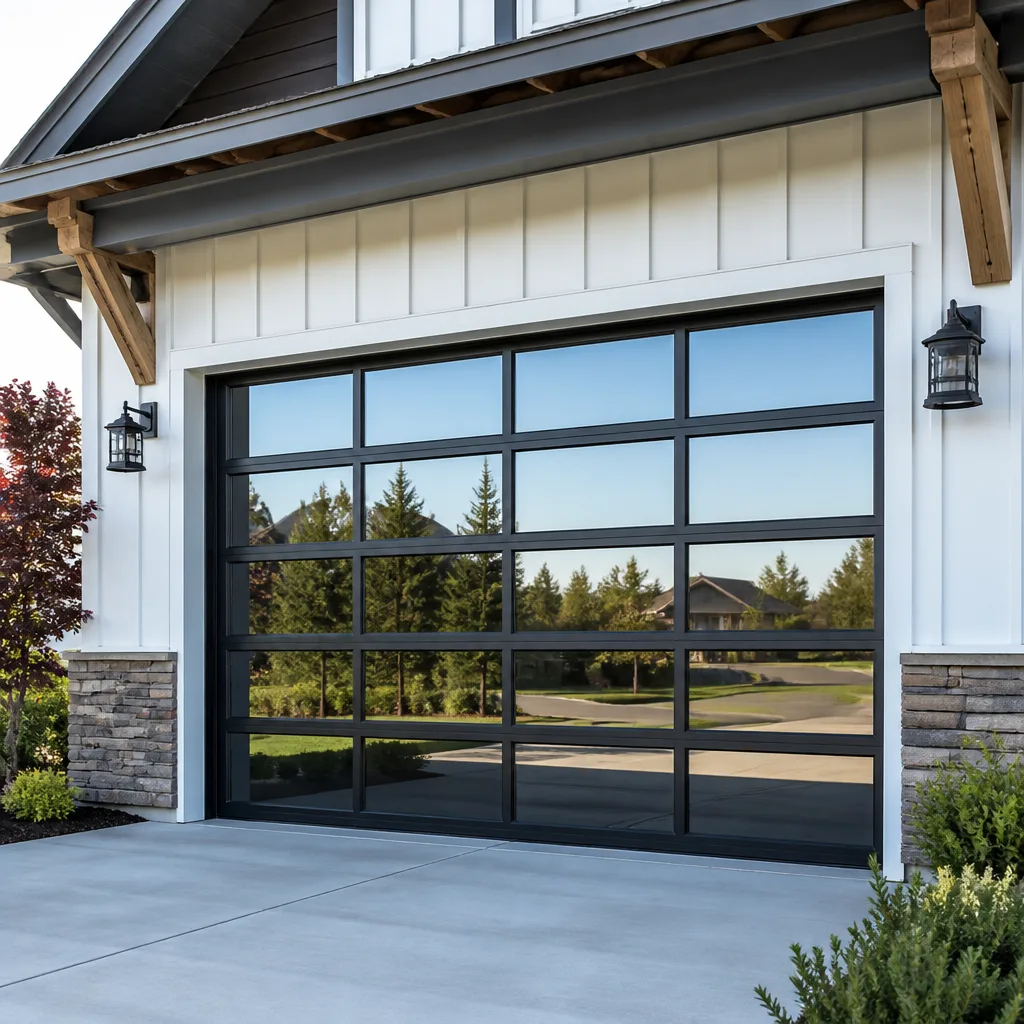 Full-view glass
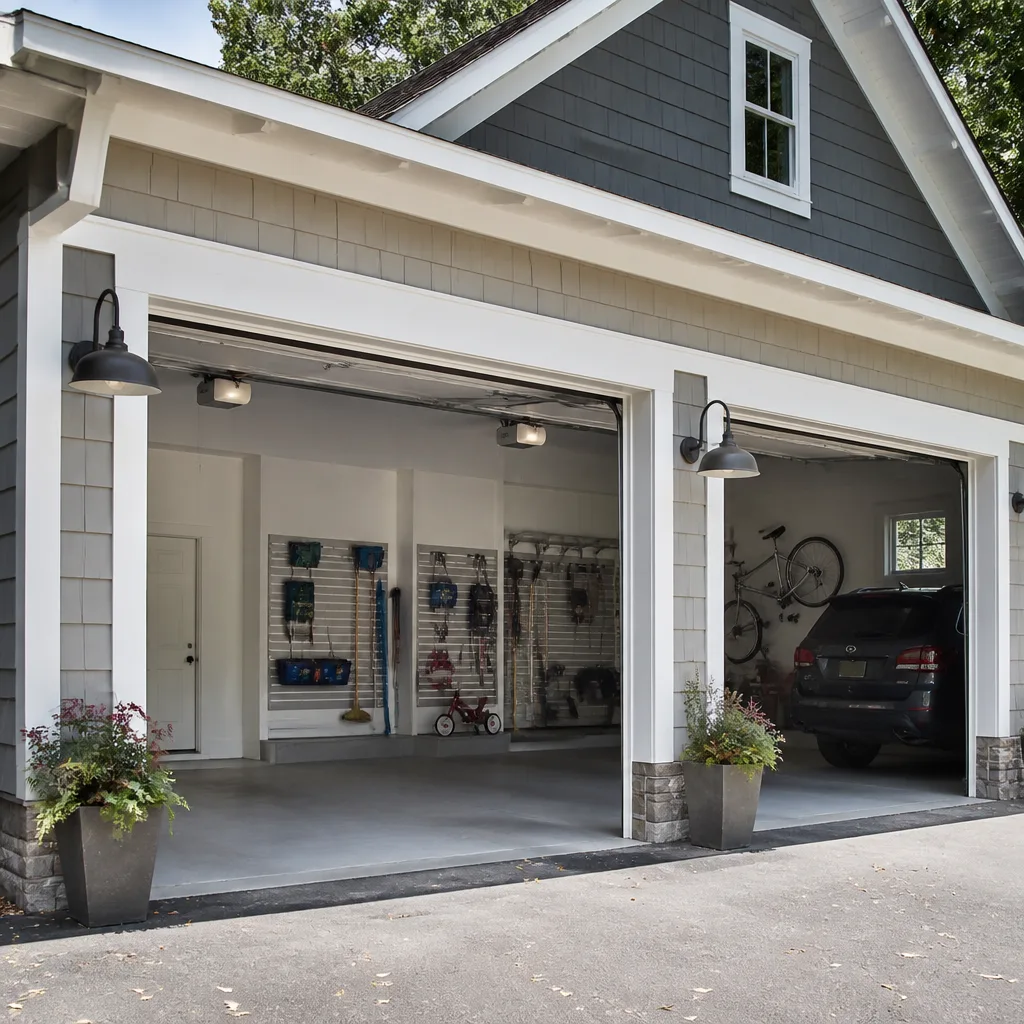 LiftMaster openers
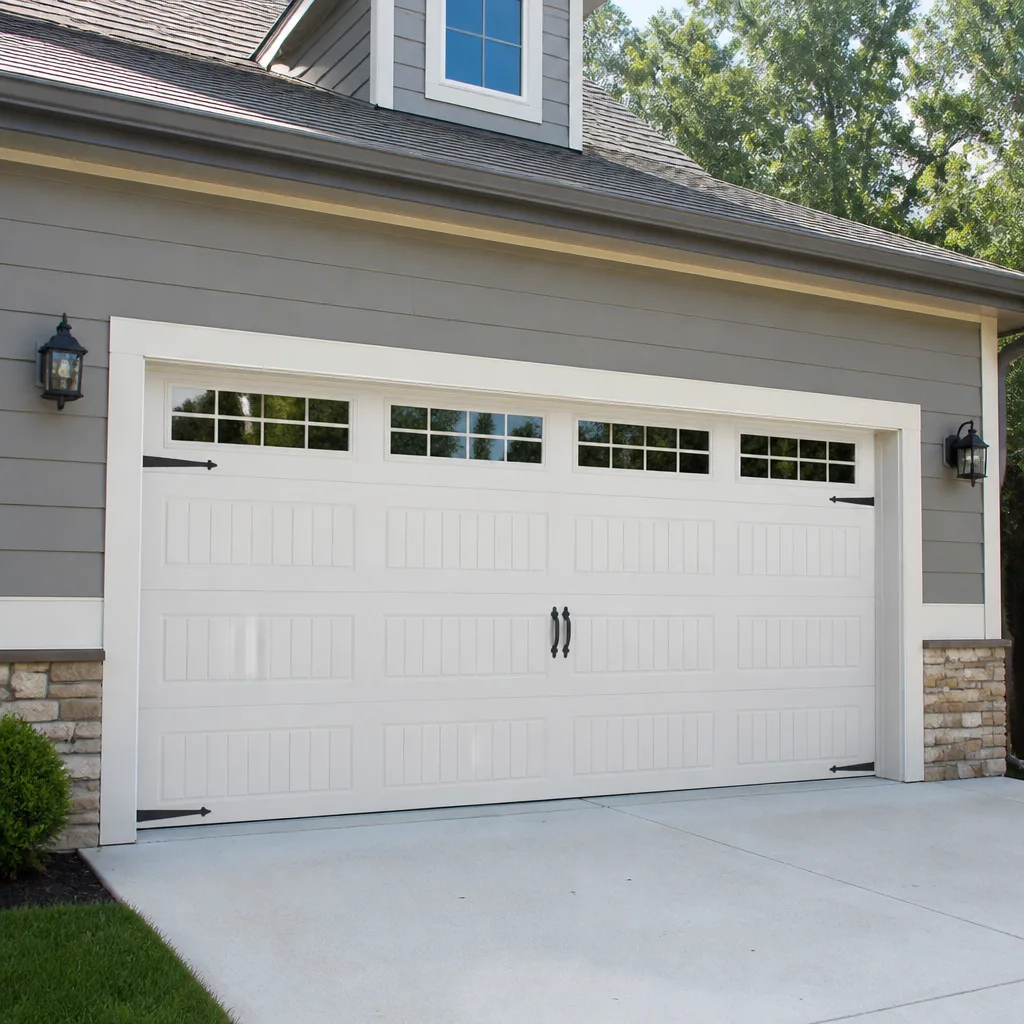 Chamberlain openers
Full 25-point door and opener safety check with every visit - springs, cables, rollers, tracks, and your LiftMaster or Chamberlain opener included
You get a price before we start. It does not change when the pro arrives.
Get your free estimateGarage Door Repair Maintenance Checklist for New Smyrna Beach Homeowners
Most garage door checklists floating around the internet were written for a house somewhere in the Midwest, and they skip the two checks that matter most in New Smyrna Beach: what the humidity is doing to your springs and what the salt in the air is doing to your cables and bottom seal. The bigger mistake, though, is the lubricant. WD-40 feels like the obvious spray-can fix, but on torsion springs in this climate it strips what little protection is left and speeds up surface rust instead of stopping it. In this guide we’ll walk through a checklist built for New Smyrna Beach homes, ranked by how fast each ignored item turns into a real repair bill, with a monthly, quarterly, and yearly schedule you can actually keep.
Quick Answer
A garage door maintenance checklist for New Smyrna Beach should focus on the parts that humidity and salt air attack first: the bottom seal, the lift cables, and the torsion springs. A realistic routine is a five-minute visual check once a month, a 20-minute lubrication and balance check every quarter, and a full safety and hardware inspection once a year. Skip the checks that matter here and a 10-minute task quietly becomes a $400-plus service call.
Styles & brands we work with
- Raised-panel steel
- Carriage house
- Modern flush
- Full-view glass
- LiftMaster openers
- Chamberlain openers
Table of Contents
- Why a New Smyrna Beach Checklist Looks Different
- The Monthly Checklist (5 Minutes)
- Lubricating in Humidity: What to Use and What to Avoid
- The Quarterly Checklist (20 Minutes)
- The Annual Checklist (1 Hour)
- Testing Hurricane-Rated Hardware Without a Technician
- Five Repairs That Start as a Failed 10-Minute Task
Why a New Smyrna Beach Checklist Looks Different
Garage doors in New Smyrna Beach live a different life than doors in dry, inland climates. The air here holds moisture most of the year, and that moisture does two things generic checklists rarely mention. First, it works its way into the moving parts – hinges, rollers, the torsion springs – and any spot where the factory coating has worn thin becomes a starting point for rust. Second, and more important, it attacks the bottom seal. A vinyl or rubber bottom seal that stays damp against a concrete floor breaks down faster, cracks, and then stops sealing. Once the seal fails, wind-driven rain and humid air get under the door, and you’re now dealing with a wet garage floor and rusty bottom brackets.
The lift cables are the other weak spot. Indoor-climate checklists assume cables stay dry and clean. Here, they pick up grit and moisture and begin to show wear at the drum and at the bottom bracket earlier than a homeowner expects. You can see a failing cable before it snaps if you know where to look, and that’s exactly what this checklist is built around.
The point isn’t to scare you into quarterly service calls. Most of what follows is genuinely free to do and takes minutes. It’s ordered by escalation speed: the tasks at the top cost almost nothing to stay ahead of and cost the most once they’re ignored.
The Monthly Checklist (5 Minutes)
Five minutes, once a month, catches the problems that are cheap now and expensive later. Stand inside your garage with the door closed and do a slow walk-around:
- Look at the bottom seal. Run your hand along the bottom edge. It should feel flexible, not brittle or crumbly. Look for gaps, tears, and any spot where daylight shows through under the door.
- Run your eyes along both lift cables. You’re looking for fraying, kinks, or a fuzzy appearance. A cable with broken strands or a birdcage-like tangle at the drum needs attention before it fails, not after.
- Check the springs for surface rust. A light dusting of orange is the early warning. Heavy, flaking rust means the spring is on borrowed time. Do not touch or adjust the springs themselves – more on that below.
- Listen for a change in sound. A door that suddenly squeals, grinds, or thumps is telling you something. Note which part of the travel makes the noise.
- Look at the door panels and hardware. Loose hinges, missing bolts, and a roller that’s popped out of its track are all quick visual catches.
Because New Smyrna Beach homes deal with so much moisture in the air, budget two minutes of that five for the seal and cable check specifically. Those are the two items where early detection changes the whole cost picture.
Lubricating in Humidity: What to Use and What to Avoid
This is where most advice you’ll find online gets it exactly wrong for New Smyrna Beach. A light penetrating spray like WD-40 is not a lubricant for your door’s moving parts, and on torsion springs it does more harm than good in humid air – it thins out and evaporates, leaving bare metal that rusts faster than if you’d left it alone. It also attracts grit. What you want is something that clings, stays put, and doesn’t wash away in humidity.
What to use
- Lithium-based grease: a good choice for hinges, rollers, and the bearings at the end of the torsion bar. It stays where you put it and holds up well in damp conditions.
- Silicone spray: better for the tracks and for the bottom seal, because it won’t degrade rubber or vinyl and it doesn’t collect grit the way grease does.
- Purpose-made garage door lubricant: many of the opener brands on New Smyrna Beach homes, including LiftMaster and Chamberlain, sell or recommend a lubricant matched to their hardware. If you know your brand, it’s a safe default.
What to avoid
- WD-40 or other penetrating oils on springs, hinges, and rollers.
- Heavy household grease on the tracks – it traps dust and grit and turns into a grinding paste.
- Any lubricant on the springs themselves if you’re not trained to work around them. Surface rust on a torsion spring is a call-a-professional signal; the spring is under high tension and is genuinely dangerous to touch.
How often
In New Smyrna Beach’s humidity, plan on lubricating every three months rather than the once-a-year cadence many dry-climate checklists use. Tracks and the bottom seal get a light silicone spray, hinges and rollers get a thin film of lithium grease, and the opener’s moving parts get whatever the manufacturer recommends. Never over-lubricate – a thin film is enough, and excess grease just collects grit.
The Quarterly Checklist (20 Minutes)
Every three months, add these checks to the monthly routine. Together they take about 20 minutes and catch balance, alignment, and hardware problems before they turn into a broken door.
- Disconnect the opener and test the balance. Pull the release handle to disengage the opener. Lift the door halfway by hand and let go. A properly balanced door stays put; one that drops or climbs on its own means the springs or the counterbalance need adjusting – a job for a professional.
- Check the safety reverse. With the door connected and the opener engaged, place a block of wood flat on the floor in the door’s path and close it. The door should reverse on contact. This tests the safety system that protects people and pets.
- Test the photo-eye sensors. Wave a hand or an object in front of the sensors at the bottom of the tracks while the door is closing. It should stop and reverse. Clean the lenses if they’re dusty, and check that the sensors are lined up and the indicator lights are solid.
- Wipe and inspect the cables again. A dry cloth along each cable lets you feel for fraying you might have missed visually. Look closely at the drum at the top, where cable wear can hide.
- Check the tracks for alignment. Run a hand along each track and look for dents, bends, or a gap where a roller has drifted. Small alignment problems cause big strain on the opener.
If your home has an older Craftsman or Genie opener, add a quick check of the chain or belt tension to this list – a slack chain slaps and strains the motor over time.
The Annual Checklist (1 Hour)
Once a year, set aside an hour for the deeper inspection. This is the one that catches the slow problems before they get expensive.
- Full spring inspection. Look at both torsion springs for rust, gaps, or a stretched appearance. If you see any of these, call a professional – do not try to adjust or replace a spring yourself. A garage door spring is under extreme tension and is one of the most dangerous parts of a home to work on.
- Inspect every hinge and roller. Check for worn rollers, cracked hinge plates, and loose fasteners. Replace anything that’s clearly past its life, or note it for professional replacement.
- Check the door panels and frame. Look for warping, cracking, or water damage, especially along the bottom edge where moisture collects. On a wood-composite door, pay close attention to the bottom section, which takes the most humidity.
- Lubricate everything properly. Do a thorough lubrication pass on hinges, rollers, bearings, and the opener’s carriage.
- Check the opener and its mounting. Look at the bolts holding the opener to the ceiling and make sure nothing has loosened over the year. Check the opener’s lights and any error codes it shows.
- Re-test the balance and safety reverse if you didn’t at the quarterly mark, or after any hardware changes.
New Smyrna Beach’s year-round humidity means the annual inspection matters more here than in drier climates, because rust and moisture wear never take a season off.
Testing Hurricane-Rated Hardware Without a Technician
Many New Smyrna Beach homes have hurricane-rated garage doors, braces, or reinforcement struts. You can check these yourself without calling anyone, and it’s worth doing before storm season rolls around.
- Check the struts and braces for rust and looseness. A reinforcement strut bolted across the door panels should be tight and free of heavy corrosion. Loose bolts are the most common issue you can catch on your own.
- Look at the mounting points. Professional installation fastens that hardware into framing, so look for any sign of movement, a pulled bolt, or a gap where the strut meets the door.
- Test the door’s seal with the floor. A hurricane door holds partly because it stays sealed against pressure. A worn bottom seal undercuts that, so the seal check from the monthly list is also your hurricane readiness check.
- Confirm the door actually engages the opener properly. If the door needs to be reengaged by hand after a storm, a misaligned opener adds risk.
What you can’t do yourself is verify that the door’s rated wind-load capacity is still intact after years of rust and wear to the hardware. If you’re unsure, a specialist inspection is worthwhile.
If anything in that list looks off, or your hardware is old enough that you’d rather have it checked, our garage door repair team can inspect the whole assembly and re-tighten or replace what’s needed.
Five Repairs That Start as a Failed 10-Minute Task
We’ve seen these five repairs more than any others in New Smyrna Beach homes. Each one starts as a task you skipped on a checklist and ends as a real service call:
- Failed bottom seal becomes a rusted bottom section. A cracked seal lets moisture under the door, and over months that rust eats the bottom panel and brackets. Replacing a seal is a small job; replacing a panel is not.
- Ignored surface rust becomes a broken torsion spring. Once rust gets into a spring, it can fail suddenly. A snapped spring leaves the door stuck and turns a maintenance item into an emergency.
- Unlubricated hinges become a burned-out opener. A door that’s stiff and grinding loads the opener motor, and the motor fails first. That’s a much bigger job than a lubrication pass.
- A frayed cable becomes a dropped door. A cable that’s been fraying for months eventually lets go, and a door coming down on one side can hurt someone and damage the door and track. Catching a frayed cable early is a simple repair.
- A misaligned track becomes a bent panel. A roller that drifts out of a slightly bent track eventually forces the door panel and track out of shape. Straightening the track early is far cheaper than replacing the panel.
That list is the whole argument for the checklist above: each of these started with a five-minute check. Our garage door spring repair service handles the spring problems, and central to everything we do is the conviction that a maintenance pass now beats an emergency call later.
Common Mistakes to Avoid
- Spraying WD-40 on the springs and calling it maintenance. It evaporates fast in this humidity and leaves bare metal to rust. Use a proper garage door lubricant or lithium grease on the moving parts instead.
- Ignoring the bottom seal because the door still opens. A worn seal is the entry point for moisture and it’s the cheapest thing on this list to fix. Let it go and it takes the bottom panel with it.
- Lubricating once a year like a dry-climate checklist says. New Smyrna Beach humidity wears parts faster. Aim for quarterly.
- Adjusting a torsion spring yourself. It’s under extreme tension and can cause serious injury. Surface rust or a stretched spring is a call to a professional, full stop.
- Skipping the quarterly balance test. A door that’s out of balance strains the opener motor, and the failed motor is the expensive part.
- Letting a frayed cable slide until it snaps. Fraying can be seen and caught early. A snapped cable drops the door on one side and takes the door and track with it.
- Over-tightening hardware during a DIY check. Snug is right; overtightened bolts strip and crack hinge plates.
See the difference
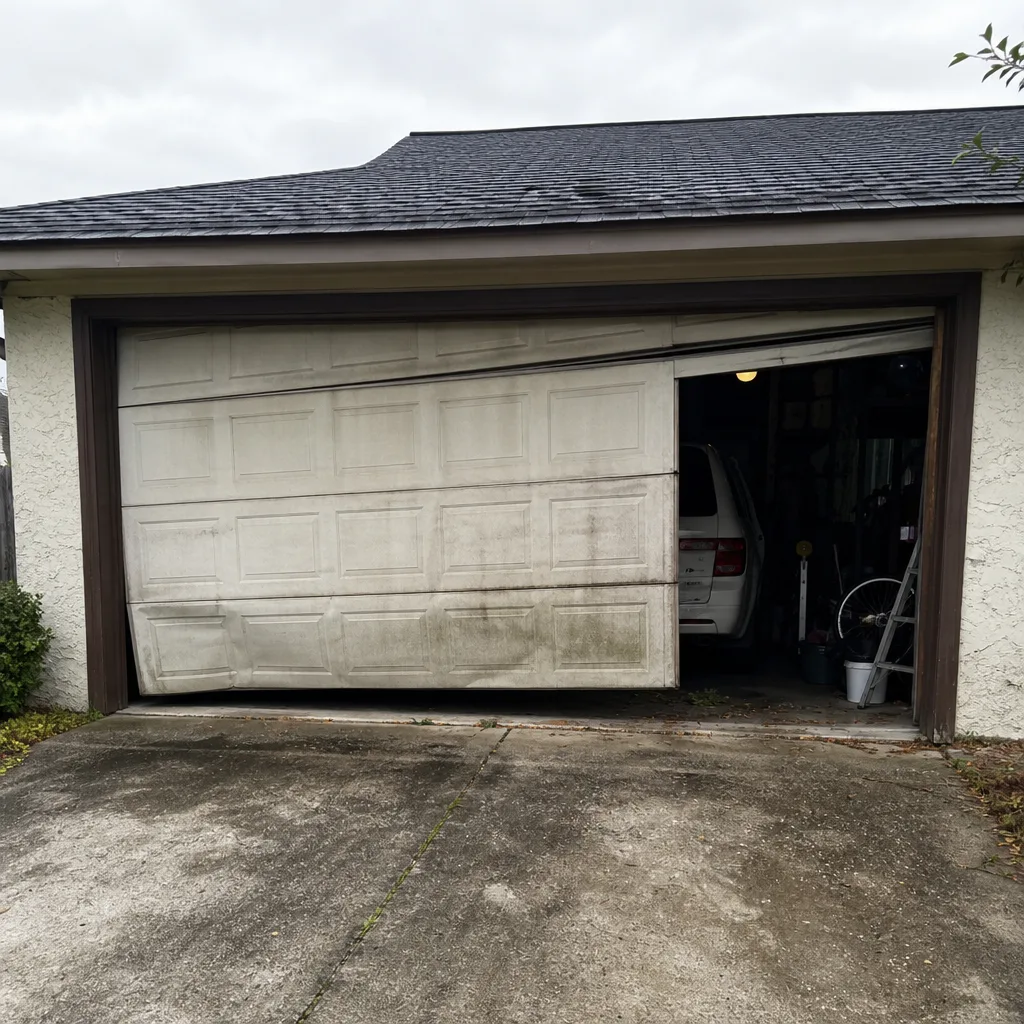 Before
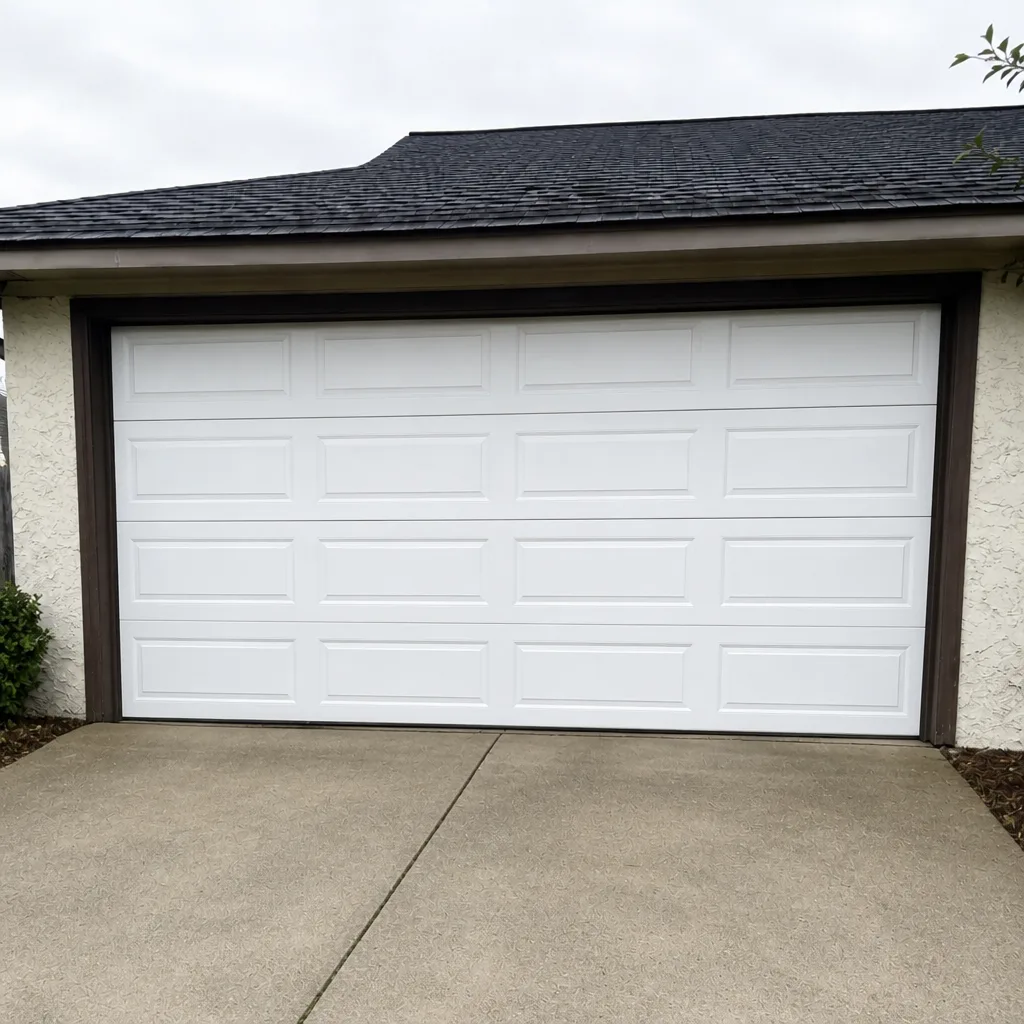 After
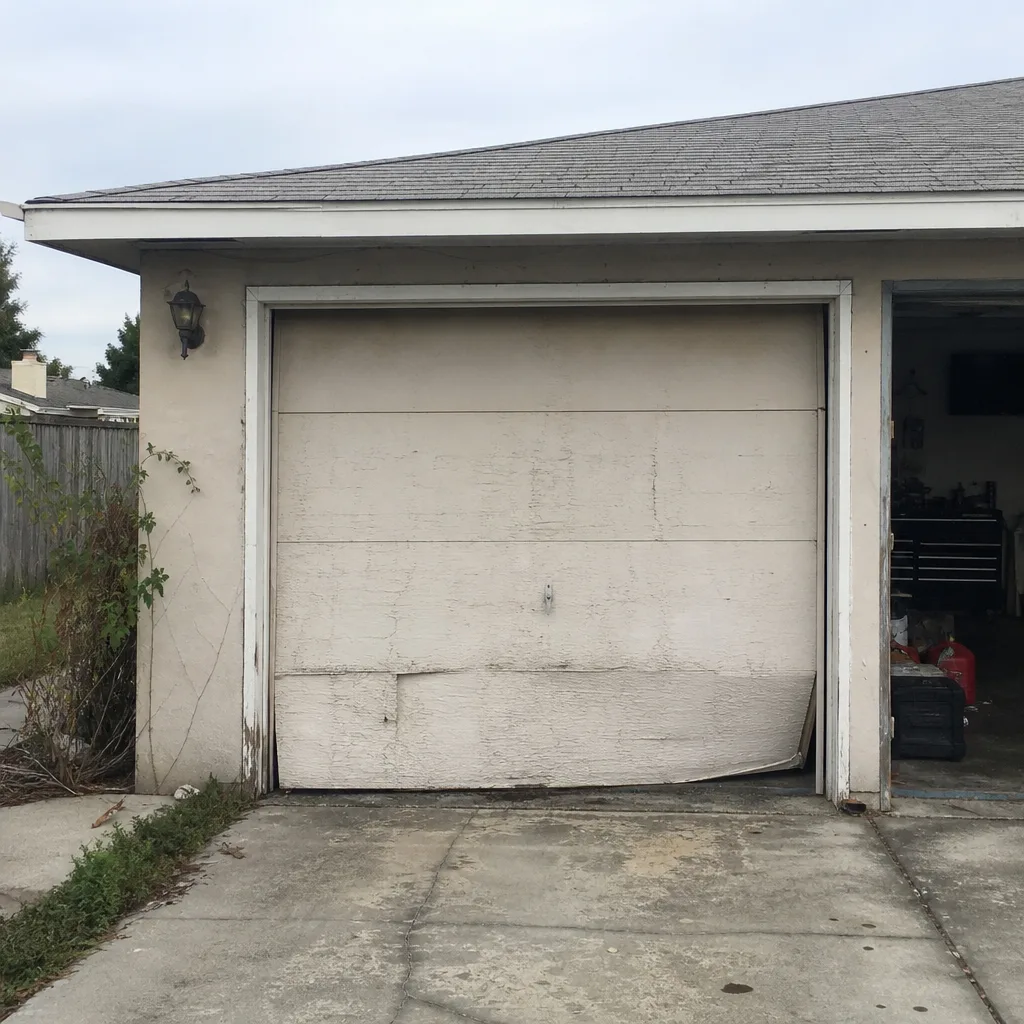 Before
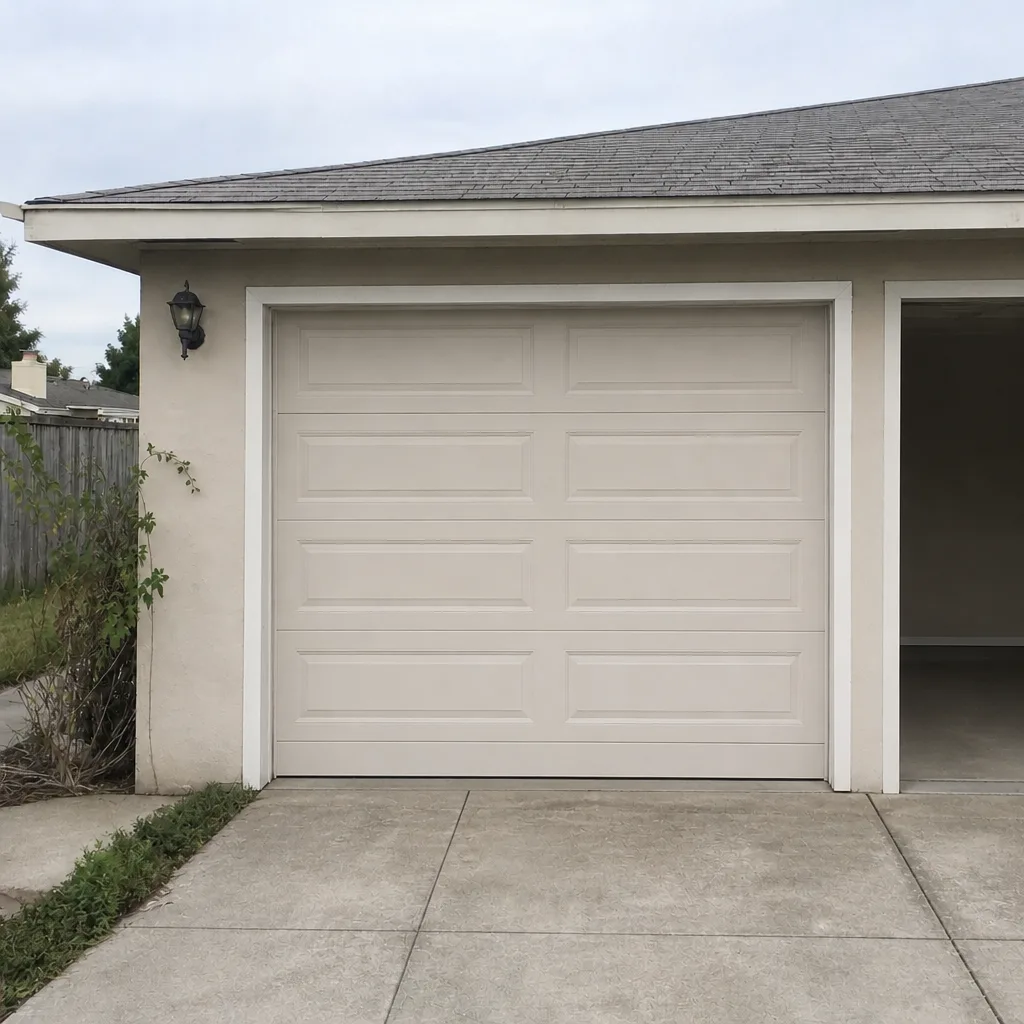 After
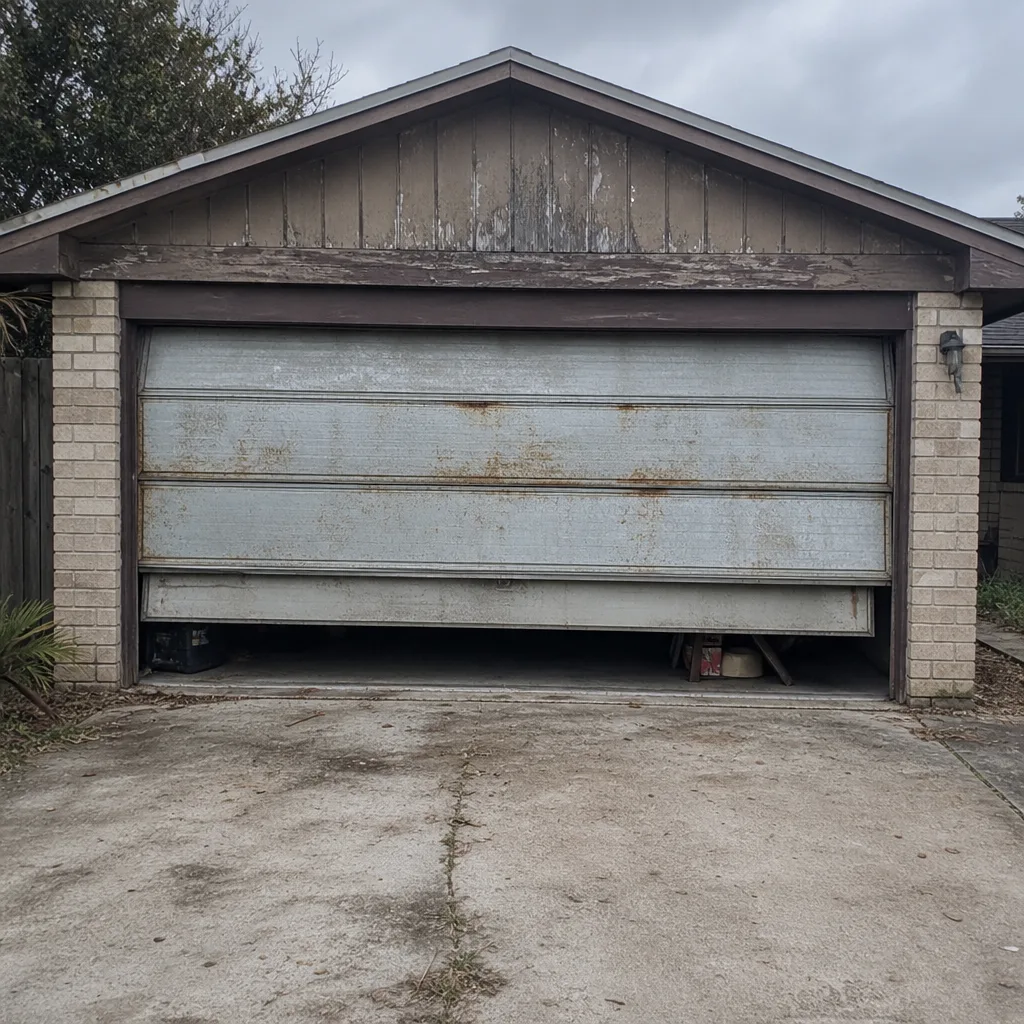 Before
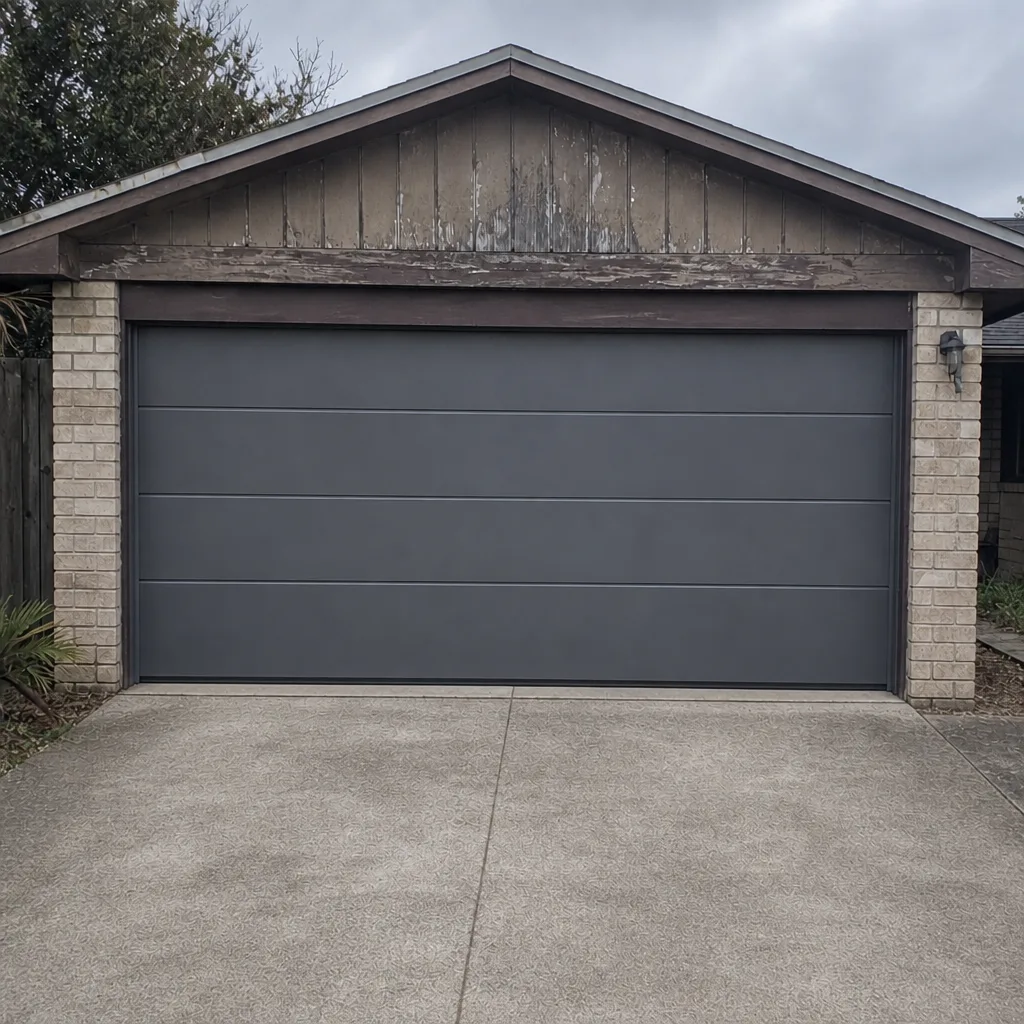 After
When to Call a Professional
Some things are fine to check yourself and some aren’t. Call a professional when you see a spring with heavy rust, a gap, or a stretched look; when a cable is frayed, kinked, or has broken strands; when the door won’t stay balanced or reverses inconsistently; or when the opener strains, grinds, or shows error codes you can’t clear. Also call if a hurricane brace or strut is loose or pulling away from the door. Never touch a torsion spring, cable, or the counterbalance system – these are the high-tension parts that cause serious injuries. New Smyrna Beach Garage Door Repair Pros offers free estimates in New Smyrna Beach – call (844) 542-2340.
Frequently Asked Questions
Every three months, not once a year. The humidity here wears moving parts faster, so plan a light lubrication pass quarterly on hinges, rollers, and bearings, and use silicone spray on the tracks and bottom seal. Avoid WD-40 on the springs. Call (844) 542-2340 if you’d rather have a professional do it – estimates are free.
No. WD-40 is a penetrating spray, not a lasting lubricant, and in New Smyrna Beach’s humid air it evaporates and leaves the metal less protected than before. Use a garage door lubricant or lithium grease on the moving parts instead. Never put any product directly on a torsion spring if you’re not trained to work around one – surface rust there means it’s time to call.
Check the struts and braces for rust, tight bolts, and any pulling away from the door, and check that the bottom seal is intact. What you can’t judge yourself is whether the rated wind-load capacity is still intact after years of wear. For that, have a specialist look at it – free estimates are available when you call (844) 542-2340.
Surface rust, a gap in the spring, or a stretched appearance are the early signs, and a door that won’t stay balanced usually follows. A loud bang from the garage is the sound of one failing. Don’t touch it – call a professional, since torsion springs are under extreme tension.
No. A worn or frayed lift cable is under tension and can snap with serious force. Leave cable work to a technician and get it looked at as soon as you notice fraying, because a snapped cable drops the door on one side and damages the whole assembly.
About an hour if you work through the list patiently, though a door with old hardware may take a bit longer. If you find anything on the dangerous parts – springs, cables, counterbalance – stop and call a professional instead of continuing. Call (844) 542-2340, and estimates are free.
The Bottom Line
A New Smyrna Beach garage door needs a checklist built for humidity, not one written for a dry climate. The essentials: check the bottom seal, cables, and springs for rust and wear once a month, lubricate properly with lithium grease or a dedicated door lubricant every three months (never WD-40 on springs), and do a full one-hour inspection once a year. Add a hurricane hardware check before storm season. The five expensive repairs above all begin as a five-minute task you skipped, so the check you do today is the repair you don’t pay for later. When a job gets into spring or cable territory, call a specialist.
Call New Smyrna Beach Garage Door Repair Pros at (844) 542-2340 for a free estimate on garage door repair, garage door opener repair, spring repair, or full installation. We work on LiftMaster, Chamberlain, Genie, Craftsman, Clopay, Amarr, Wayne Dalton, and Raynor equipment on homes across New Smyrna Beach, and emergency service is there when your door won’t wait. Our technicians have up to 12 years of experience, and every price is quoted and agreed before any work starts.
Written by the team at New Smyrna Beach Garage Door Repair Pros.