Last updated November 23, 2026
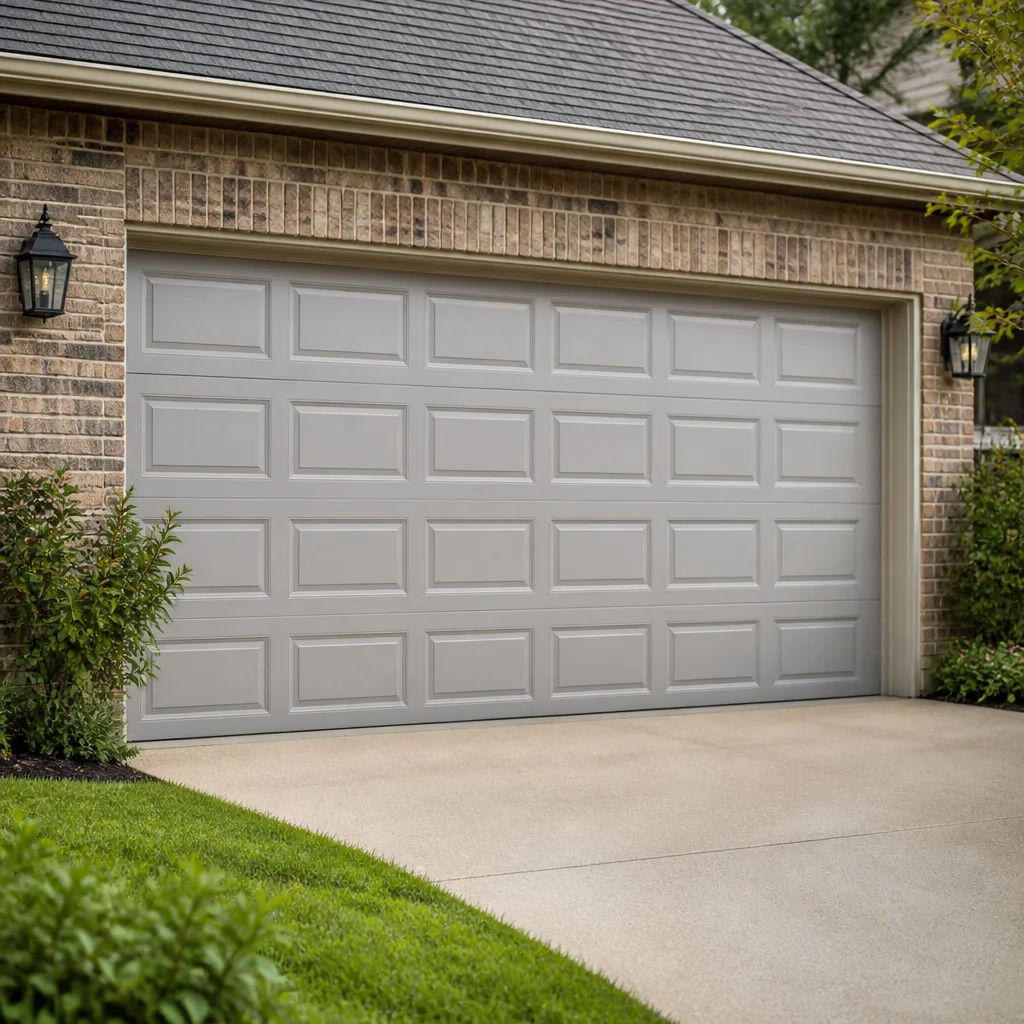 Raised-panel steel
 Carriage house
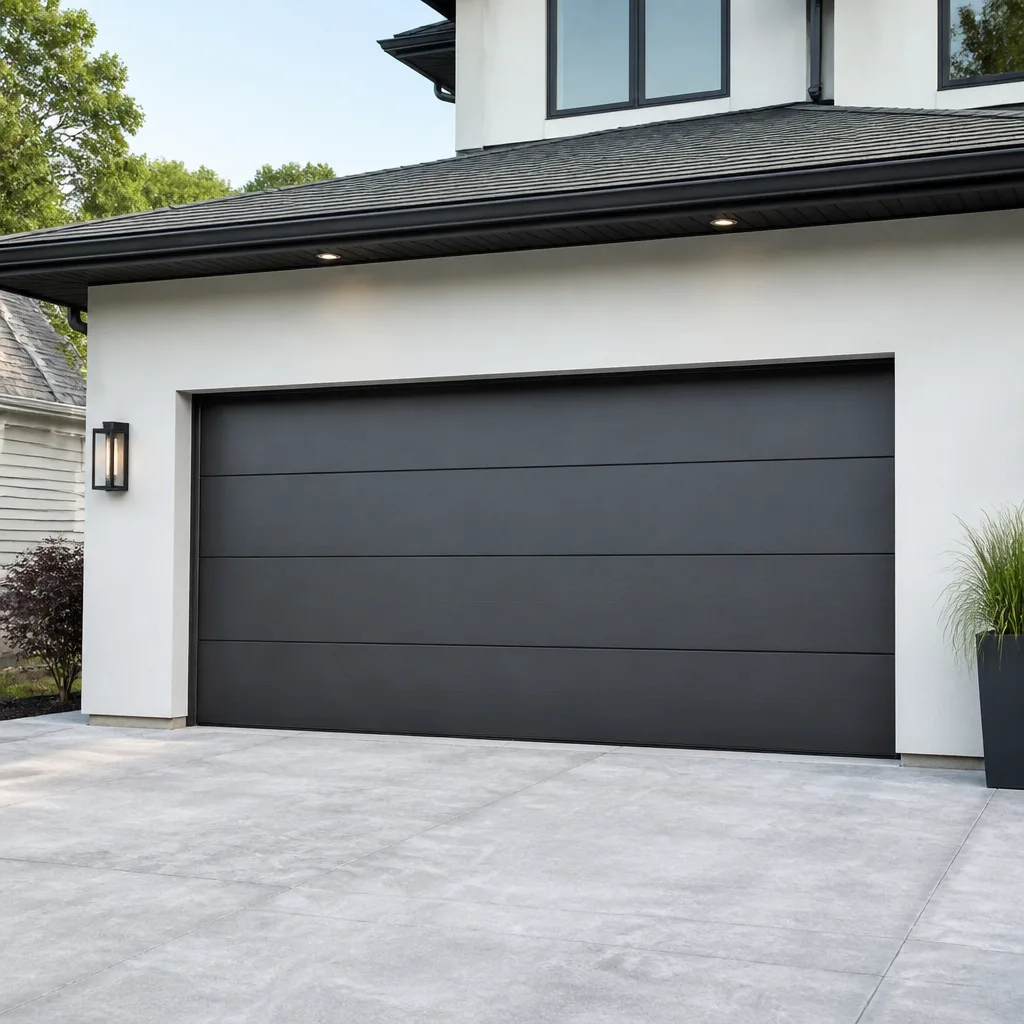 Modern flush
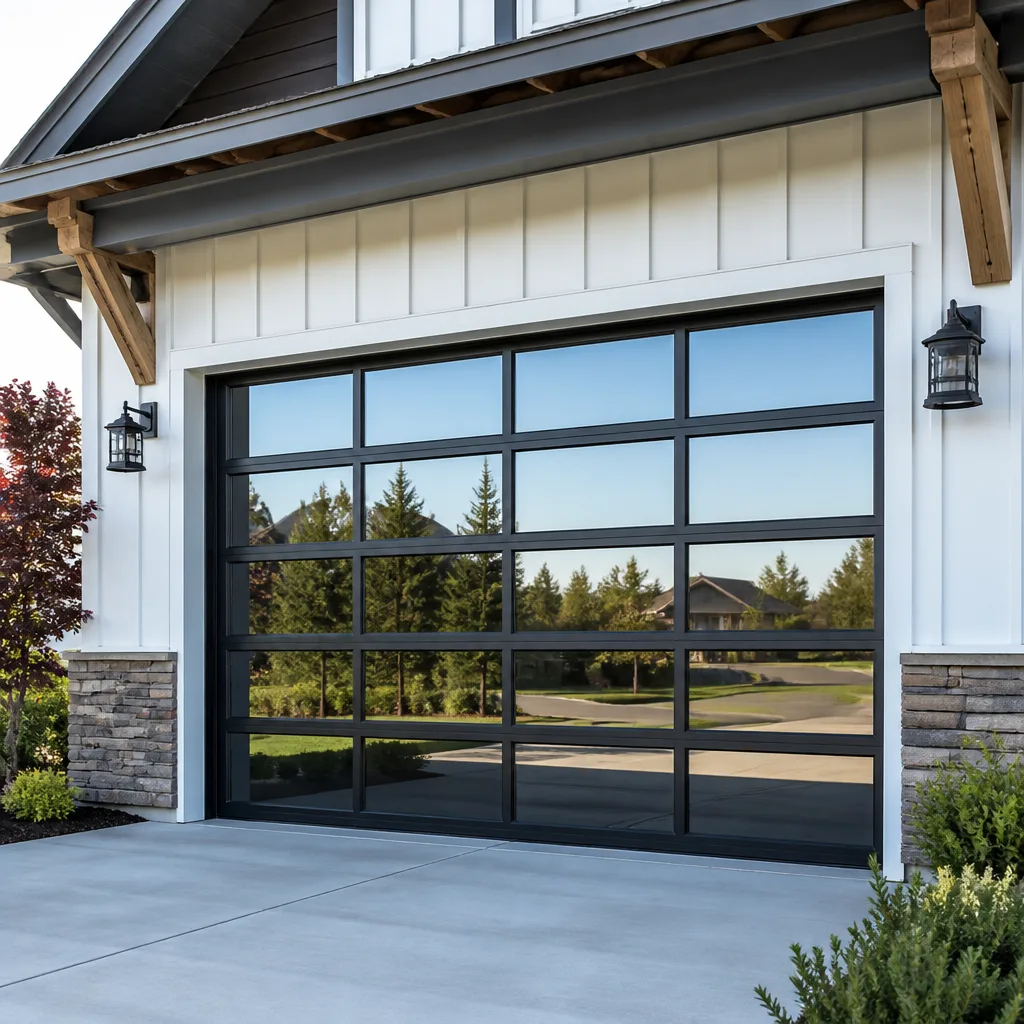 Full-view glass
 LiftMaster openers
 Chamberlain openers
Full 25-point door and opener safety check with every visit - springs, cables, rollers, tracks, and your LiftMaster or Chamberlain opener included
You get a price before we start. It does not change when the pro arrives.
Get your free estimateGarage Door Warning Signs: A New Smyrna Beach Homeowner’s Reference Guide
A garage door doesn’t snap a spring without warning. It gives you weeks of signals first. The problem is that most of those signals are easy to rationalize as normal wear, especially when you’re not sure what “normal” looks like. A door that shudders slightly on the way up, a faint metallic tick at the end of its travel, a bottom seal that has started to look tired – each one on its own reads as nothing. Together, over a few weeks, they tell a story about a spring under load, a cable starting to fray, or a door that has drifted out of balance. This guide is about the subtle stuff, the signs New Smyrna Beach homeowners tend to miss until a repair turns into a replacement. We’ll walk through what to look at, what to listen for, what to log, and when to stop using the door and call someone.
Styles & brands we work with
- Raised-panel steel
- Carriage house
- Modern flush
- Full-view glass
- LiftMaster openers
- Chamberlain openers
Quick Answer
The earliest garage door warning signs are usually quiet: a slight hesitation when the door starts to lift, a thin rust line on a spring, a rhythmic tick that wasn’t there before, or a seal that’s peeling away at one edge. These are the signals that show up weeks before a spring fails or a cable snaps. Learn what “normal” looks like in your New Smyrna Beach home, log changes as you notice them, and treat any change in sound, speed or alignment as a prompt to get the door inspected before the small problem becomes a big one.
Table of Contents
- Why Garage Door Warning Signs Are So Easy to Miss
- The Three Sounds That Mean Stop, and the Three You Can Ignore
- Visual Checks: What a Door Out of Balance Actually Looks Like
- Opener Behavior That Signals a Mechanical Problem, Not an Electrical One
- How to Log Warning Signs So the Diagnosis Happens on the First Visit
- How the New Smyrna Beach Seasons Change What You See
- What a Preventive Check Catches That a Visual Look Won’t
- Common Mistakes to Avoid
- When to Call a Professional
- Frequently Asked Questions
Why Garage Door Warning Signs Are So Easy to Miss
Part of the reason is that a garage door is a big, heavy, familiar machine, and we stop hearing it after a while. The door goes up, the door goes down, and after a few months it becomes background noise. If the tone shifts slightly or the speed drags, most people don’t have a mental picture of what “normal” sounds like to compare against.
The other part is timing. Garage door failures cluster at the end of a cycle, not in the middle. The springs take the most stress as the door pulls off the floor and again as it settles back down. That’s why so many failures happen first thing in the morning, when a door that has been holding up for months suddenly won’t move. The warning signs were there. They just weren’t loud enough to notice.
The signs we’re going to walk through in this guide are the early ones – the ones that show up in New Smyrna Beach homes three or four weeks before a spring goes or a cable gives way. Some cost nothing to check. Some you can’t check safely, and we’ll be clear about which is which.
The difference between a symptom and a cause
Most homeowner guides list symptoms like “loud noise” or “door won’t close.” Those are late signs. By the time the door won’t close, the repair is already urgent. The point of this guide is to work backwards from the failure and show what to look at before the failure is on you. A door that lifts slowly, for example, isn’t a speed problem. It’s usually a spring that has lost tension, or an opener that has started to struggle because the door weighs more than the opener was rated to lift. The symptom is speed. The cause is the spring. See the difference?
The Three Sounds That Mean Stop, and the Three You Can Ignore
Sounds are the most reliable early warning system on a garage door, and they’re the easiest to describe over the phone. Here’s how to sort them.
Sounds that mean stop using the door
- A loud bang from the spring area. If you hear a sharp crack or bang when the door starts to lift and the door then either struggles or doesn’t move at all, a spring has broken. Don’t try the door again. A broken spring on a door that’s still partially lifted can let the door drop suddenly, and on a heavy door that’s dangerous. This is a stop-and-call situation. garage door spring repair is the fix and we treat it as a core service rather than something to send off to a generalist.
- A grinding or scraping sound from one side as the door moves. This usually means a roller has failed, a hinge is binding, or a cable has come loose and is rubbing. If you keep running the door, a bound roller can wear through the track or damage the panel. Stop, walk away, and schedule a look.
- A snapping or popping sound followed by a bang, with the door hanging at an angle. This is the signature of a cable letting go on one side. The door is now supported on one side only. Under no circumstances should you try to open it or close it. Cables are under high tension and can whip without warning. This is a trained-professional job, full stop.
Sounds that are annoying but not urgent
- A regular squeak or squeal. This is usually dry rollers or hinges. It’s a maintenance item, not a failure indicator. It’s still worth fixing because a squeak is friction, and friction wears parts down faster, but it doesn’t need to happen this minute.
- A rhythmic tick once or twice per cycle. Often a worn roller or a hinge with a loose screw. Worth noting in your log and addressing at the next service, but not a stop-using-the-door sign on its own.
- A rattle when the door reaches the fully-open position. The door slapping against the opener arm or a loose top-section hinge. Mildly annoying. Not a sign of imminent failure unless it’s paired with one of the three urgent sounds above.
If it’s borderline, describe what you heard to a technician over the phone. In our experience, “loud bang from above” and “squeak all the way up” are different calls that need different responses, and it’s quicker to sort them out with a conversation.
Visual Checks: What a Door Out of Balance Actually Looks Like
Balance is the silent variable in almost every garage door failure. A door that’s out of balance puts extra load on one spring and one cable. You can’t see the load, but you can see the symptoms. Here’s what to look at, safely, with the door closed and your hands clear of the moving parts.
Look at the gap at the bottom
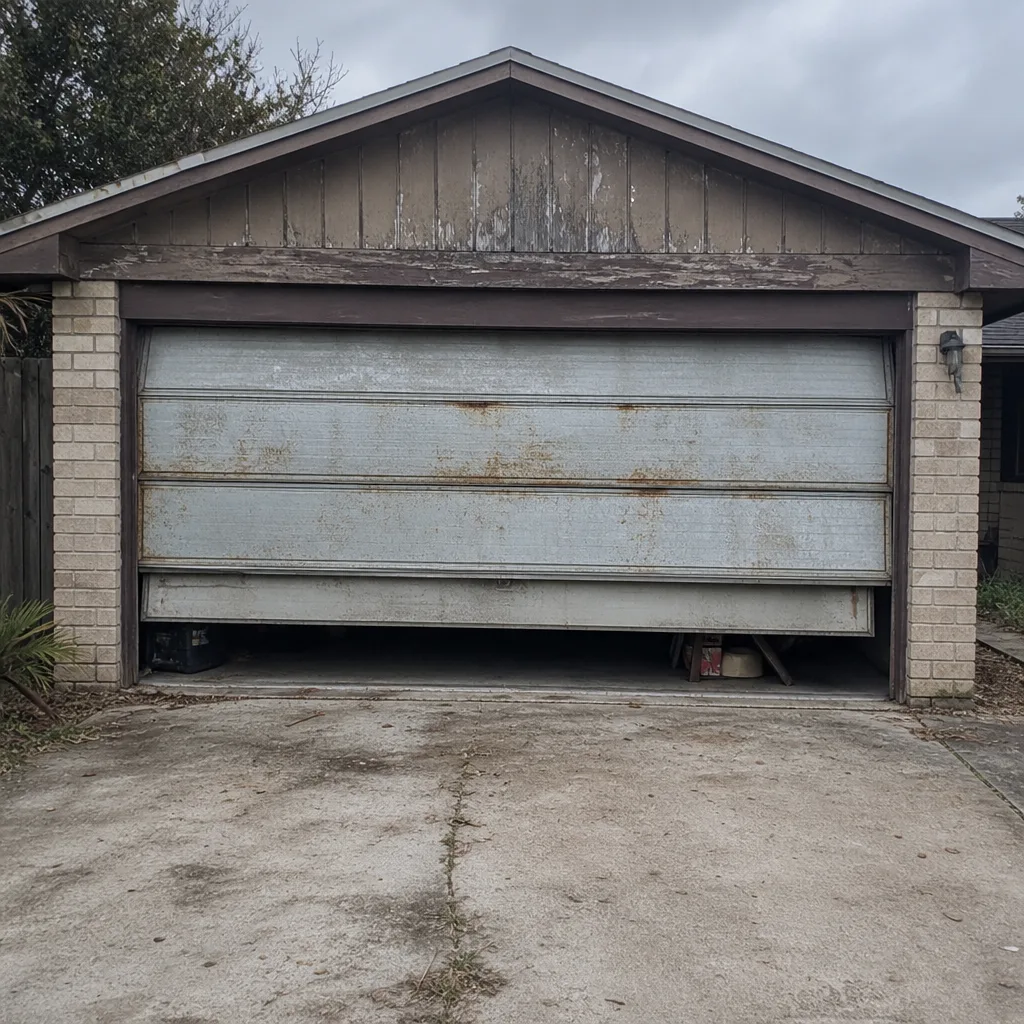
Stand back from the door and look at the gap between the bottom seal and the floor. If the gap is even across the full width, the door is sitting square. If one side has daylight and the other is sealed tight, the door has dropped on one side. That’s usually a sign of a cable that has slipped, a drum that’s out of alignment, or a hinge that has pulled loose. Any of those will progress to a cable failure if left. Note it, don’t fix it yourself.
Look at the panel edges
On a Clopay or Amarr door, the panel edges are a good reference line. Look down one side of the door as it sits closed. If the edge looks like it’s leaning slightly out from the frame, or if the vertical seams between panels aren’t in a straight line, the door has shifted. Small shifts are usually a hinge or roller problem. Larger shifts usually mean a cable. On a Wayne Dalton or Craftsman door, watch the top section specifically – if it looks like it’s tipping forward, the springs on that side are the place to look.
Look at the horizontal track and rollers
With the door closed, walk along the track and look for rollers that are sitting at an angle instead of straight. A roller that’s twisted is a sign the door is binding on one side, and binding is what wears cables out early. You can see this from the floor without touching anything.
What you can safely test
One balance test is worth doing: with the door closed, pull the manual release cord on the opener to disconnect it, then lift the door with one hand, halfway up. A balanced door should stay put. If it slams down or drifts down on its own, the springs have stopped carrying the weight, and the door is out of balance. Reconnect the opener before you walk away. Don’t do anything else under a door that’s showing an imbalance.
Opener Behavior That Signals a Mechanical Problem, Not an Electrical One
When a garage door opener starts acting up, most homeowners assume it’s an electrical fault. In our experience it usually isn’t. A LiftMaster or Chamberlain opener that reverses on the way down, or a Genie that hesitates before it starts, is often reacting to unusual load from the door itself. Here’s how to tell which problem you’re looking at.
Hesitation before the door moves
If the opener clicks, then waits a beat, then moves, that’s often the opener sensing resistance and taking a moment to build torque. The cause is usually a door that has become heavier on one side, which is a spring or cable problem, not a board fault. If the hesitation gets longer over a few days, that’s the door getting harder to move.
Reversal on the way down
Reversing is the opener’s safety feature working. The question is what’s triggering it. If the door reverses at the same point every time, the safety sensors are probably fine and the door is binding – look at the track and rollers. If it reverses at random, the sensors or the wiring are worth checking. A Craftsman opener that reverses only when the sun is on the sensor is a common one and it’s not a failure, just a sensor alignment issue.
Motor strain sounds
Strain sounds different from the normal motor hum. It’s a higher, tighter whine, and it often gets louder at the start of the cycle and then fades. That’s the opener working harder than it should. Left alone, the opener will eventually burn out or the door will fail – and in that order of events, the door failure is usually the more dangerous one. The garage door opener repair fix often turns out to be a door repair with a new opener setting, not an opener replacement.
What’s actually electrical
An opener that’s completely dead, or that trips a breaker, or that shows no response to the wall switch at all – that’s electrical. Same with remotes that no longer pair after a battery change. Those are opener-fault symptoms and worth diagnosing on their own. But if the door still moves under the opener’s power, mechanically awkwardly, the problem is above the opener, not inside it. Our technicians have up to 12 years of experience working across the major opener and door brands, so they know what a tired motor sounds like versus a tired spring.
How to Log Warning Signs So the Diagnosis Happens on the First Visit
Garage doors fail slowly. A technician who has a description of the changes over two or three weeks can usually find the cause in the first visit. A technician who only sees the door on the day it’s stopped moving has to guess from the current state. Here’s how to give them the history.
- Start a note on your phone. One running note called “Garage Door” is enough. Date every entry. You don’t need to write more than a sentence per entry.
- Log sounds by where they come from. “Squeak from left track” and “clunk from top of door” are the two kinds of entries that matter. Avoid “it sounds bad” – that’s not something anyone can work with.
- Log speed changes in real terms. Time the door with your phone. If the door took 16 seconds to fully open last month and takes 20 seconds this month, that’s a real change and it’s worth knowing. Note it.
- Log visual changes once a week. A quick photo of the bottom corners of the door on your phone once a week catches the small shifts that are hard to notice in person. If a gap appears on one side, you’ll see it in the comparison.
- Log the opener’s behavior apart from the door’s behavior. If the opener clicks and then hesitates, log that separately from the door being slow. These are two different symptoms.
- Take a photo of anything that looks concerning. Rust streaks, a kinked cable, a bottom seal that’s peeling away – all of these photograph easily and give a technician a head start.
When you call, read the notes. It takes two minutes and it’s the difference between a quick diagnosis and a second visit. Nobody wants a second visit. The garage door repair side of what we do is much faster when a homeowner can tell us what changed and when.
How the New Smyrna Beach Seasons Change What You See
A garage door in New Smyrna Beach works in steady heat and humidity for most of the year, with a cooler, milder stretch in the winter. That pattern affects which parts wear first and which warning signs show up when. None of it is dramatic, but it changes what you should be looking at month to month.
In the hotter stretch
Springs and cables take more variable stress in the hotter months because the door gets used more. Summer storms bring rain and warm, humid air through the open door; that drives the humidity into the bottom seal and the lower hinges. If you’re seeing a bottom seal that looks soft or is starting to peel at one corner, it’s usually because the seal is holding damp against the aluminum rail. A tired seal doesn’t cause a spring failure, but it does let water in, and water in the door track makes rust and binding more likely. Look at the seal edges once a month in the hot stretches.
In the cooler stretch
The cooler winter months are actually when a lot of subtle warning signs become easier to hear. Doors are quieter, ambient noise is lower, and a squeak or a tick seems louder than it did in July. The same is true for a slight drag at the end of travel. Use the cooler stretch as your annual walk-around: door closed, gap check, one balance test with the manual release, and a fresh note in your log. If you’re considering a new door in the cooler months, that’s the natural time to plan a garage door installation around the weather rather than in it.
The year-round check
One thing doesn’t change with the season. The bottom corners of the door and the point where the cables wrap around the drums are the two places where small changes show up first. Look at both every month. It takes 30 seconds and it saves a lot of second visits.
What a Preventive Check Catches That a Visual Look Won’t
A visual check catches the things you can see. A preventive service visit catches the things you can’t. If you’ve done the checks in this guide and the log is clean, that’s a good sign, not a clean bill of health. Here’s what we find when we look closer.
- Spring wear on the wire itself. A spring wears from the inside. The outer surface of the coil can look fine while the wire has thinned at the ends where it’s clamped. Only a trained hand can read that safely without being under a loaded spring.
- Cable strand breaks under the wrap. A cable winding around a drum hides its underside. If three of the seven strands inside the cable have broken, you won’t see it from below. A technician can see it in seconds from the right angle.
- Panel stress at the hinges. The heaviest load on a door panel is at the hinge points, and a small bend or crack there can spread over months. A quick check with the door up saves a panel replacement later.
- Roller wear on the inside face. The part of the roller that runs against the track wears from friction, and it wears on the side you can’t see. A roller close to failure feels different from a new one, and it’s worth replacing before it fails.
- Opener force setting drift. Opener force settings change over time with the door’s weight. A setting that was right when the door was new can be too low for a door that has aged, and a low setting puts strain on the opener motor. Adjusting it is a two-minute job for a technician.
None of these are things a homeowner should try to check without training. The high-tension side of a garage door is genuinely dangerous, and we’d rather you didn’t. If it’s been a long time since the door had a service look, that’s reason enough to book one.
Common Mistakes to Avoid
- Treating “it still opens” as “it’s fine.” A door that opens is not necessarily a door that’s safe. A door opening with a straining motor or a squealing track is already telling you something is wearing, and the repair gets more expensive the longer you wait.
- Lubricating the wrong parts. Greasing a roller that should be replaced just hides the symptom for a week. Worse, oil on the tracks attracts grit and makes the door stickier. Track surfaces don’t get oiled. Rollers and hinges do, and only with the right lubricant.
- Adjusting the opener’s force setting all the way up to make a slow door work. If the door is slow because a spring is tired, raising the force setting just pushes the opener harder. It fixes nothing and wears the opener out faster. Get the door looked at first.
- Tugging on a door that’s opened crookedly. If the door has half-opened and stopped at an angle, the temptation is to pull one side down or push it up to straighten it. The door is under load and a cable is likely involved. Don’t touch it. Call.
- Ignoring a bottom seal that’s peeling. It looks cosmetic. It isn’t. A peeling seal lets water into the track, the track rusts, the rollers bind, and the door wears out faster. Replacing a seal is a small job. Replacing a bent track is a bigger one.
- Waiting for the spring to break before booking a service. Springs have a service life, and the wear pattern tells a technician how close to the end they are. A spring in the last quarter of its life is cheaper to replace on a planned visit than it is to replace after it snaps and the door drops.
- Calling a general handyman for a spring or cable problem. This is a job that requires the right training and the right safety equipment. Many generalists either won’t take it or will subcontract it out. That’s why we keep spring work in-house and treat it as a core service, not an occasional job.
When to Call a Professional
Call us when the door has stopped moving under its own power, when you’ve heard a bang from above, when the door is hanging at an angle, or when a cable looks frayed or kinked. Call us when the opener clicks and hesitates, when the door reverses without an obvious reason, or when the door is getting slower over a couple of weeks. Call us when the bottom seal is peeling at one corner and the gap at the bottom is uneven. And call us if you’ve been keeping a log and it’s starting to tell a story you don’t like. Anything involving the springs or the cables is a trained-professional job, and we’d rather you didn’t test your luck.
New Smyrna Beach Garage Door Repair Pros offers free estimates in New Smyrna Beach. Call (844) 542-2340. We’ll ask what you’ve been hearing and log, then get a technician out to look at the door and give you a written price before any work starts.
Frequently Asked Questions
The earliest signs are usually a slight hesitation at the start of the cycle, a new tick or squeak, a small gap opening at one side of the bottom seal, or a spring that shows a thin rust line. These show up days to weeks before a spring breaks or a cable snaps. Log them as you notice them, and get the door inspected before they escalate.
A loud bang from the spring area, a grinding scrape from one track, or a snap followed by the door hanging at an angle all mean stop using the door now. A steady squeak or a rhythmic tick is worth noting but doesn’t require the door to stay shut. If you’re not sure which category a sound falls into, describe it over the phone and we’ll tell you. Call (844) 542-2340 for a free estimate.
No. A garage door spring is under high tension and can cause serious injury if it releases unexpectedly. Spring replacement needs specific tools and a trained hand, and it’s not a job a homeowner should attempt. Spring work is a core service for us rather than an occasional job, and we handle it in-house. Call (844) 542-2340 to book a free estimate.
A single spring repair is typically somewhere in the $180 to $340 range, and a matched pair is usually replaced together, so plan on roughly double for a pair. The written estimate you get before any work starts sets the final price. Call (844) 542-2340 for an exact quote – estimates are free.
Opener hesitation or reversal is usually a sign of mechanical load on the door, not an electrical fault inside the opener. If the door reverses at the same point every time, the door is probably binding. If it hesitates, the springs or cables are usually the cause. A trained technician can diagnose which in a single visit. Call (844) 542-2340 and describe what the door is doing – estimates are free.
Yes, if it’s been a long time since the door had a proper look. A door that opens is not always a door that’s safe, and a preventive service catches things a visual check can’t – spring wear on the wire, cable strand breaks under the drum, hinge stress at the panel edges. A short service visit is much less expensive than a spring failure at an inconvenient hour. Call (844) 542-2340 – estimates are free.
The Bottom Line
Most garage door failures start as warning signs nobody noticed, not as sudden failures out of nowhere. The signs are quiet, they’re easy to rationalize, and they build slowly over weeks. If you take one thing from this guide, make it the log: date every noise, speed change and visual shift so a technician has the history to work from. Check the bottom corners and the spring area once a month, do the balance test once a season, and treat any bang, snap or grinding sound as a stop signal rather than a nuisance. If you have questions or want a professional look at the door, we can help. Emergency service is available when your door won’t wait.
Ready for a professional opinion on your door? Call New Smyrna Beach Garage Door Repair Pros at (844) 542-2340 for a free estimate. We’ll diagnose the door, write a clear estimate, and tell you exactly what needs doing before the work starts.
Written by the team at New Smyrna Beach Garage Door Repair Pros.
See the difference
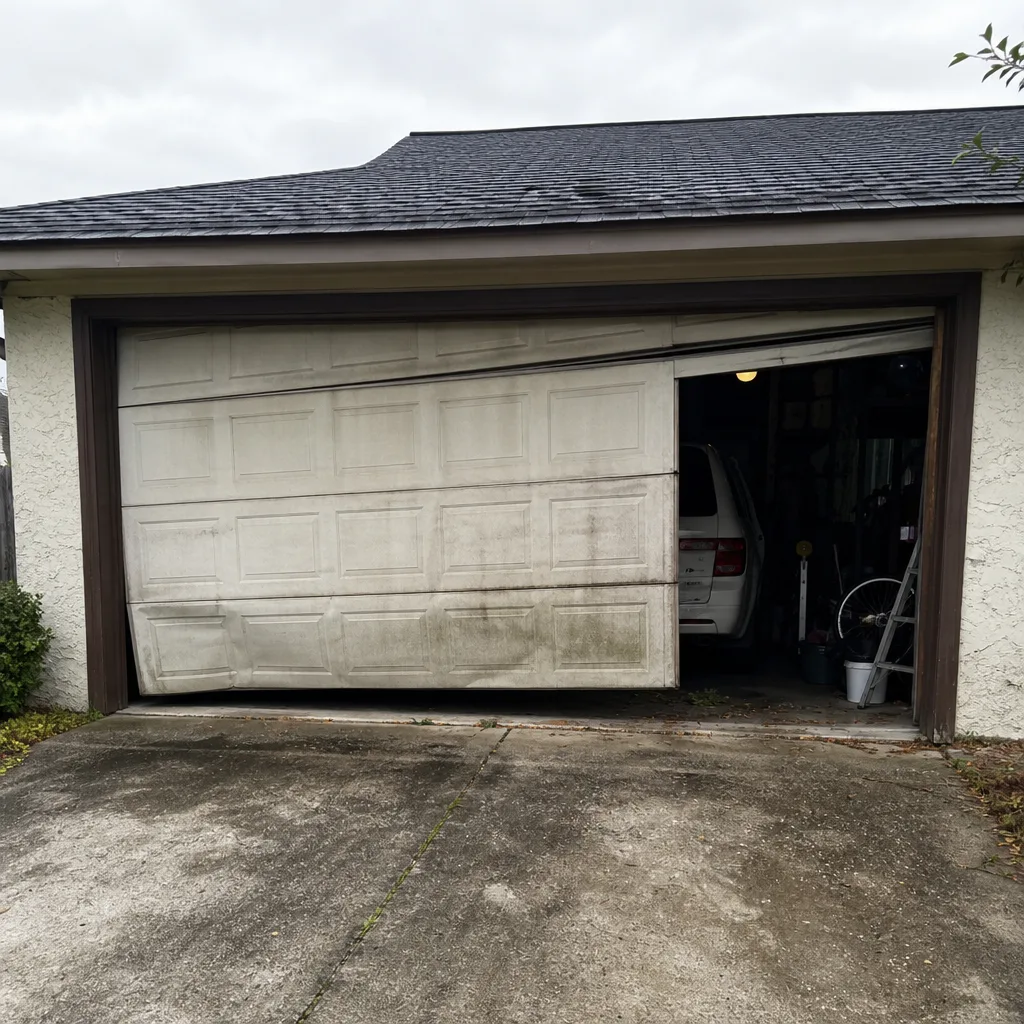 Before
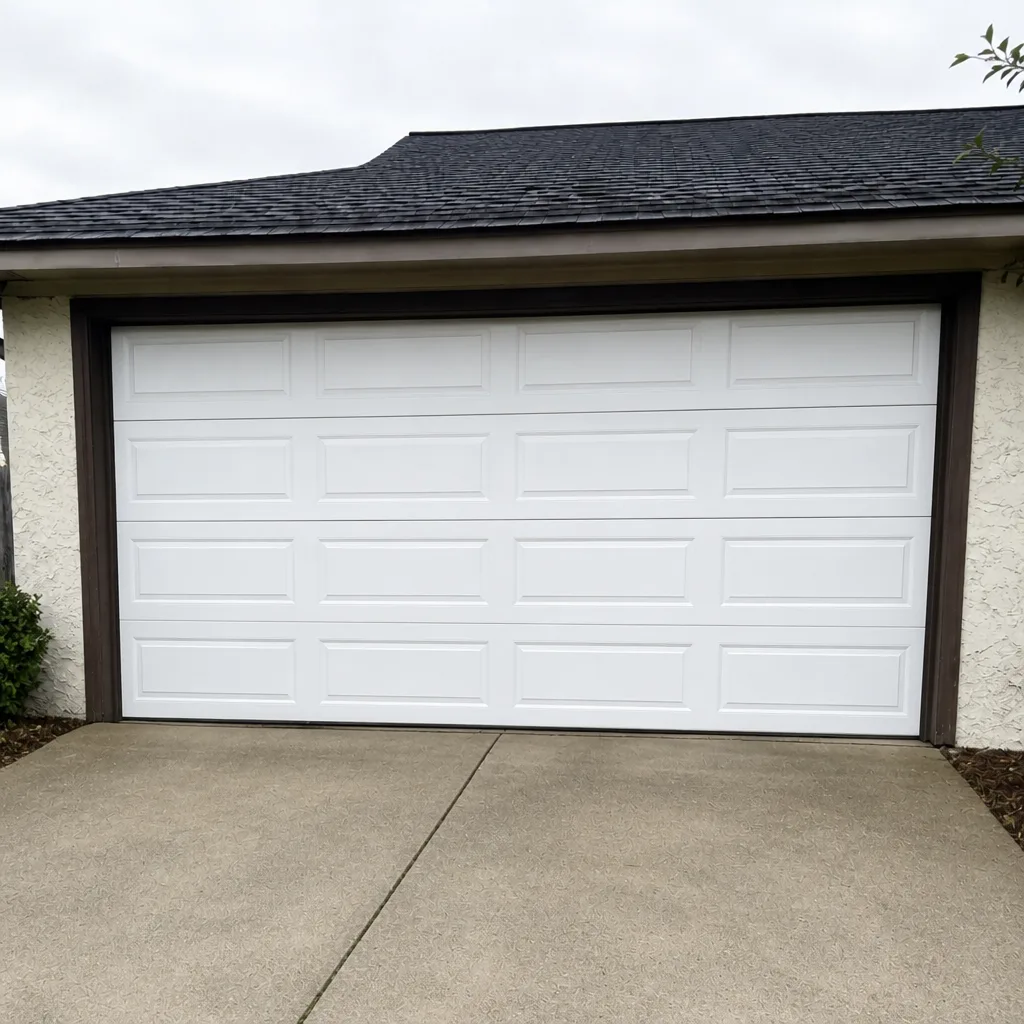 After
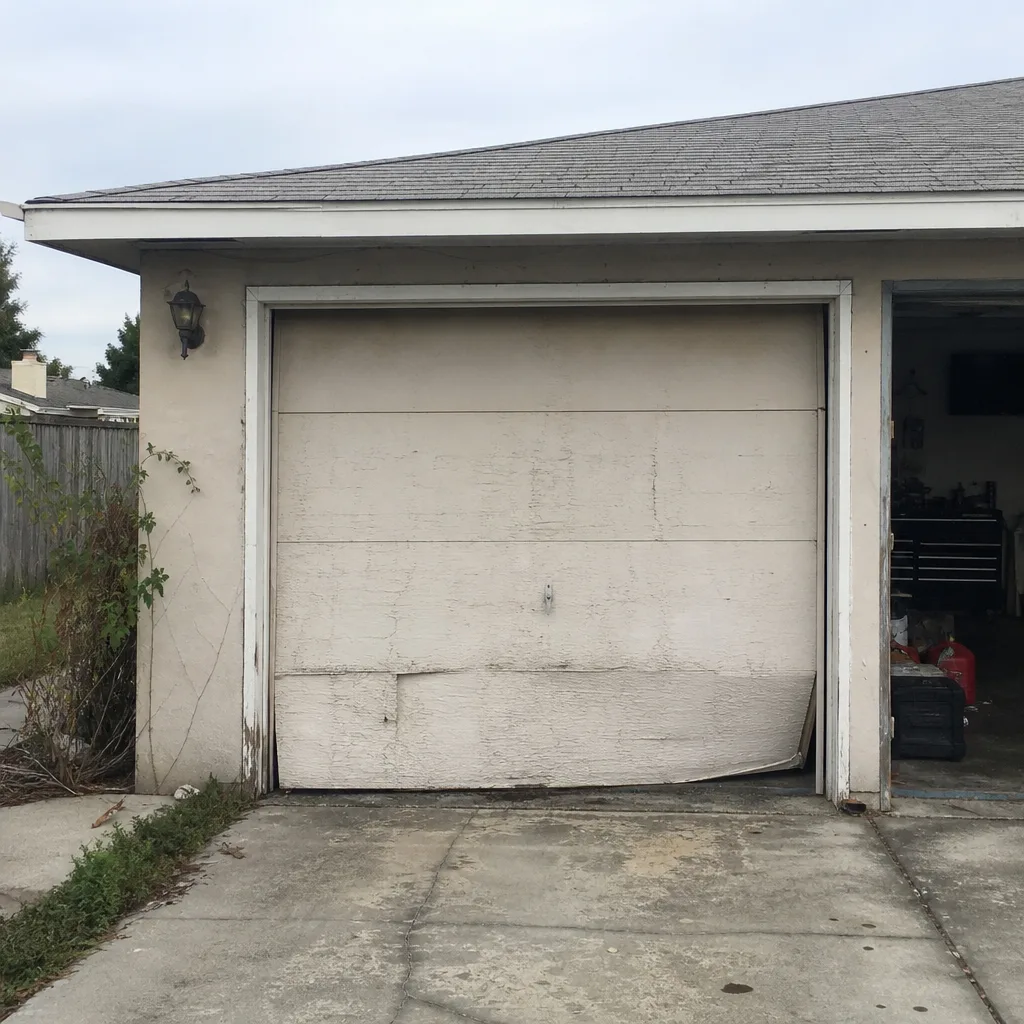 Before
 After
 Before
 After